
Dairy Cultures: East Africa and Downeast Maine
By Lin Haggerty, MA Student, Public History and Museum Studies at UW-Milwaukee and 2026 Wilson Museum Patricia L. Hutchins Endowed Intern
Do you know how many people in your community can digest dairy? It might surprise you to learn that only 30% of the world can tolerate lactose (referred to as “lactase persistence”). Much of the United States society considers dairy to be a regular part of daily life. Children are often encouraged to drink milk for strong bones; one might indulge in ice cream as a treat or put a little butter on bread for a snack. However, this dairy culture is not as ubiquitous as some may think. Concentrations vary by region, with some communities almost entirely lactose intolerant, and others primarily lactase persistent. See Figure 1 to better understand some of the regional differences that have also influenced other regions due to migration.

Figure 1. On this map, closer to red means more lactase persistence, closer to blue means more lactose intolerance (dots represent data collection locations). Itan, Y., Jones, B.L., Ingram, C.J. et al. A worldwide correlation of lactase persistence phenotype and genotypes. BMC Evol Biol 10, 36 (2010). https://doi.org/10.1186/1471-2148-10-36
How is it that some communities have dairy products as important parts of their food cultures, and others get sick from ingesting these foods? And how could it be that some lactose-intolerant communities live right next to those who can digest dairy?
Scientists believe that the difference comes down to early cultural adoption of dairy products. Dairy-tolerant populations had regular access to dairy early on in their civilizations but have also prioritized dairy consumption in their food cultures. Milk is the main source of nutrition for all mammals at birth, but adults typically lose the ability to process lactose after weaning from milk. Populations that had dairy-heavy food cultures may not have been lactose tolerant before adopting these foods, but over time developed the ability to process dairy.
Alongside various other unique collections, the Wilson Museum holds several Ethiopian dairy culture artifacts (below) in its collections and on display. These items include butter storage horns, carrying containers for milk, and butter combs. Like many other items in the collection, these would have been used daily in the communities they come from. Outside of culinary applications, butter has been used for generations as a hair treatment (see the collection's butter combs) and for wound care. Medicinal plants would be crushed and mixed with butter to make medicated salves for injuries.
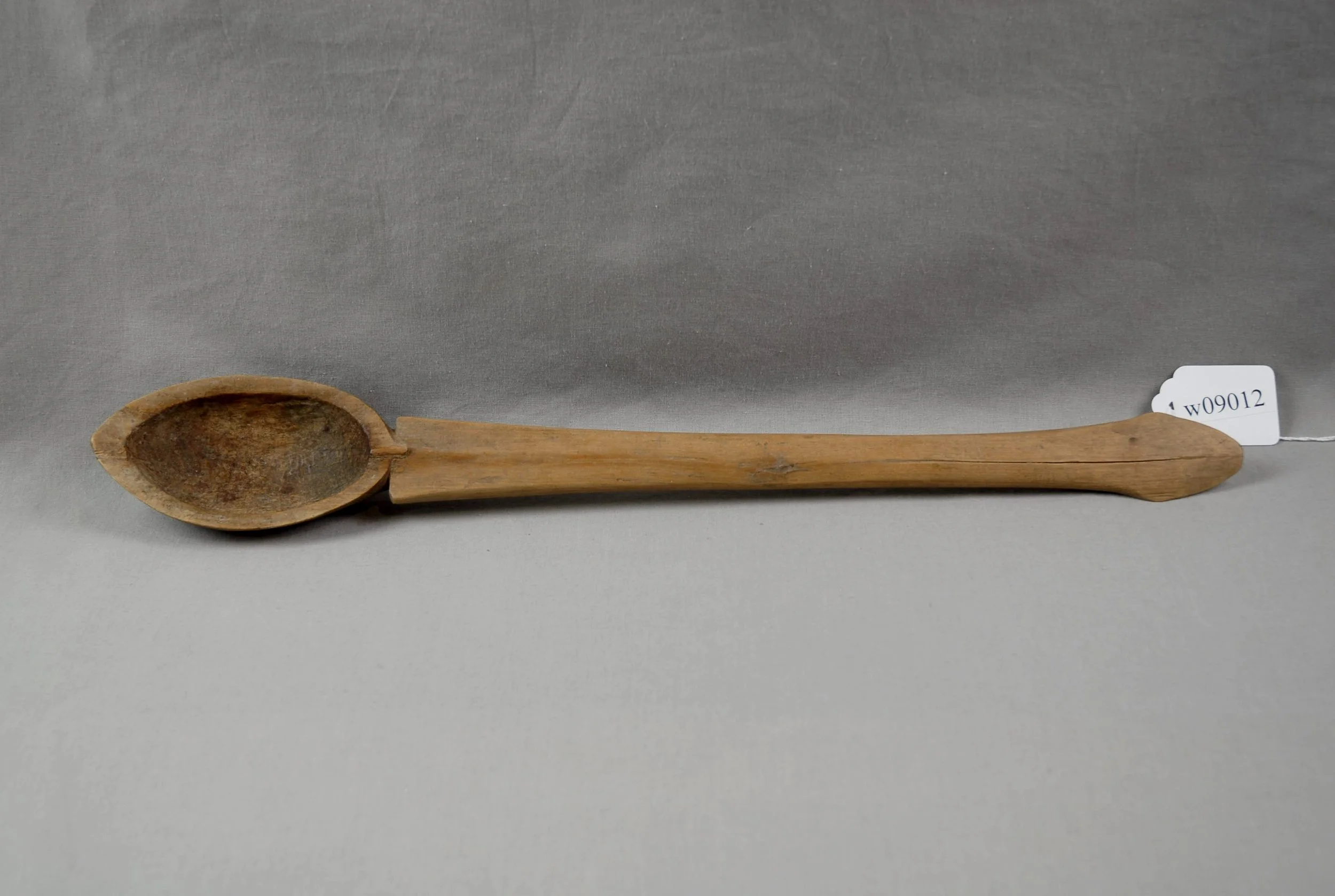
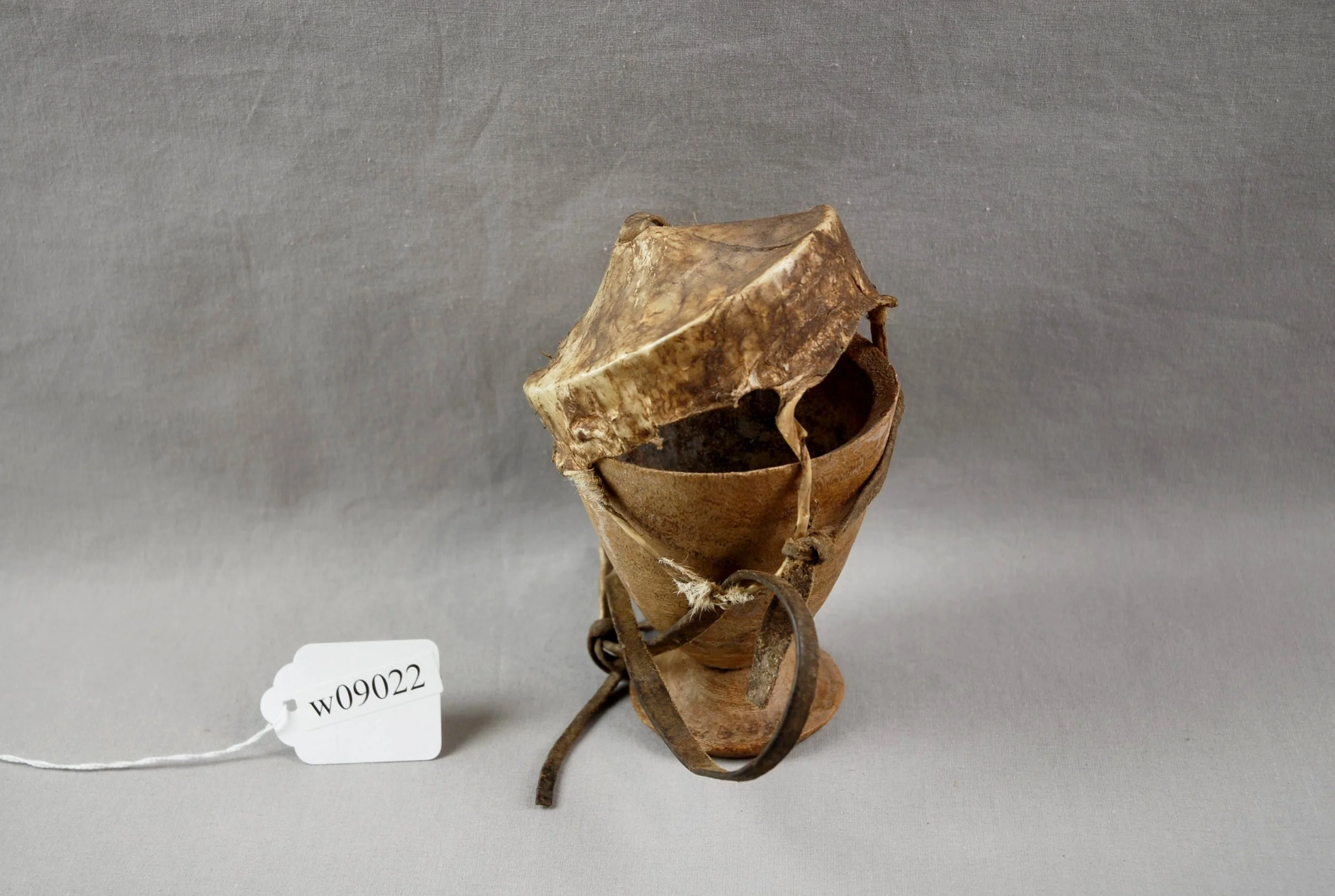
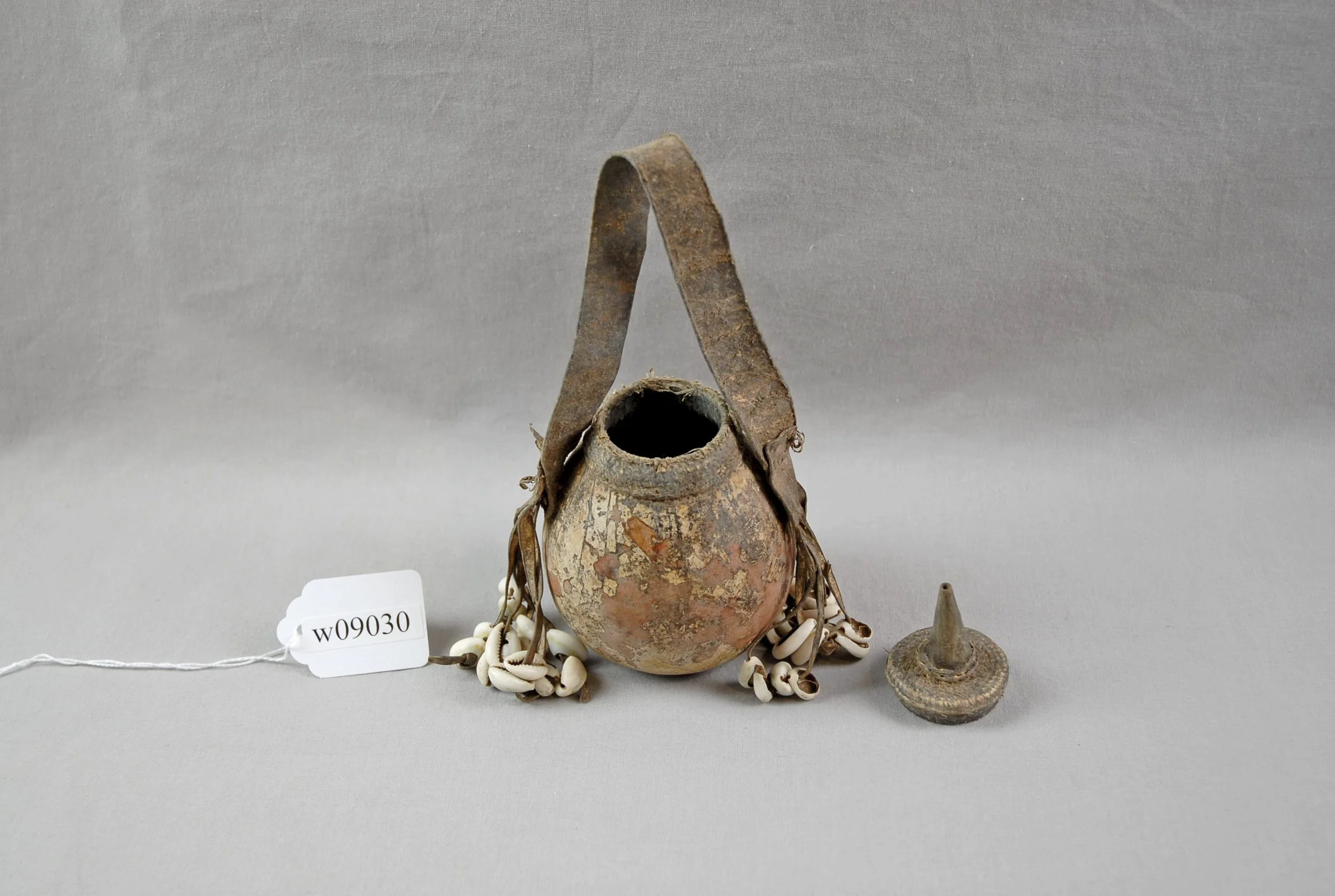
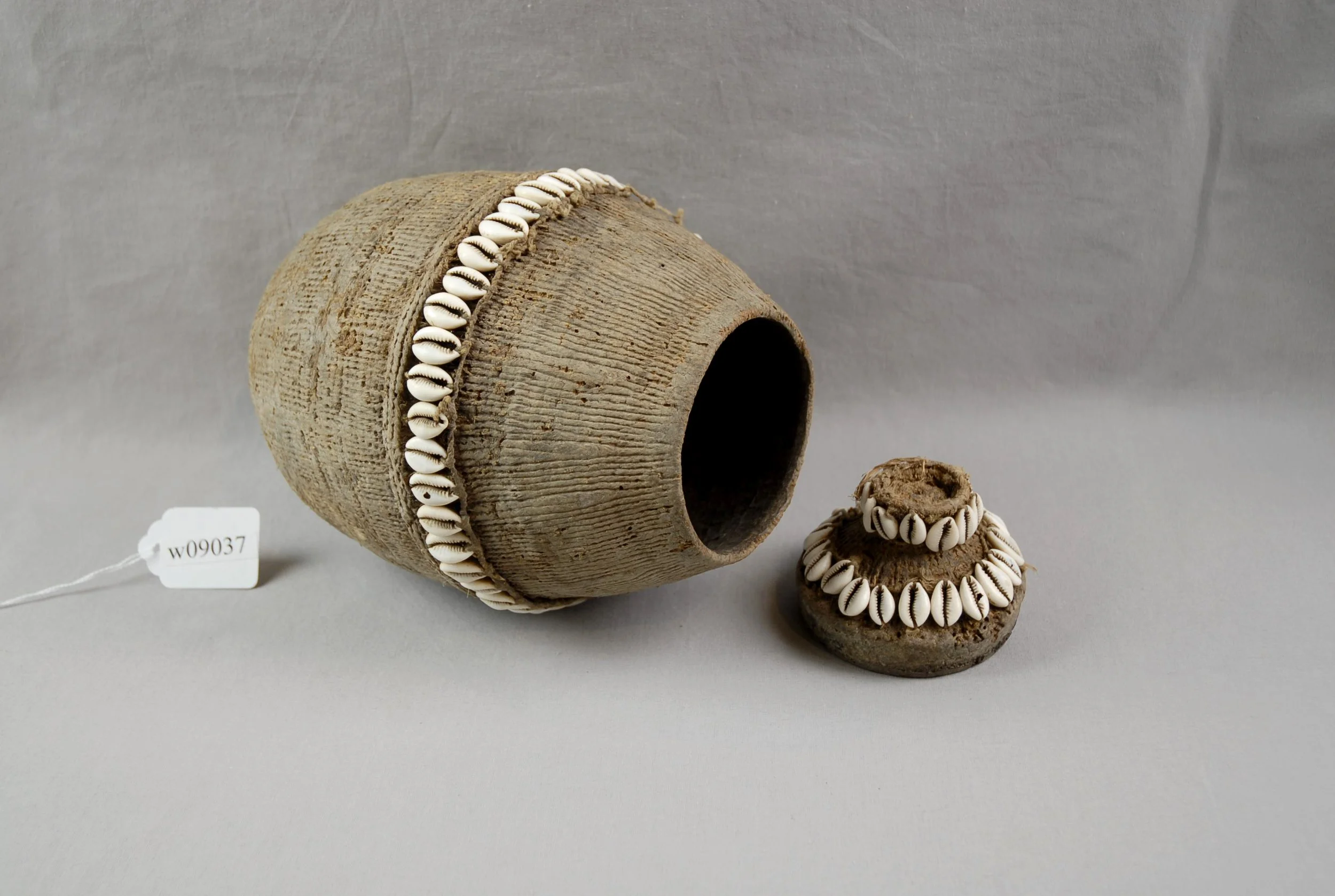
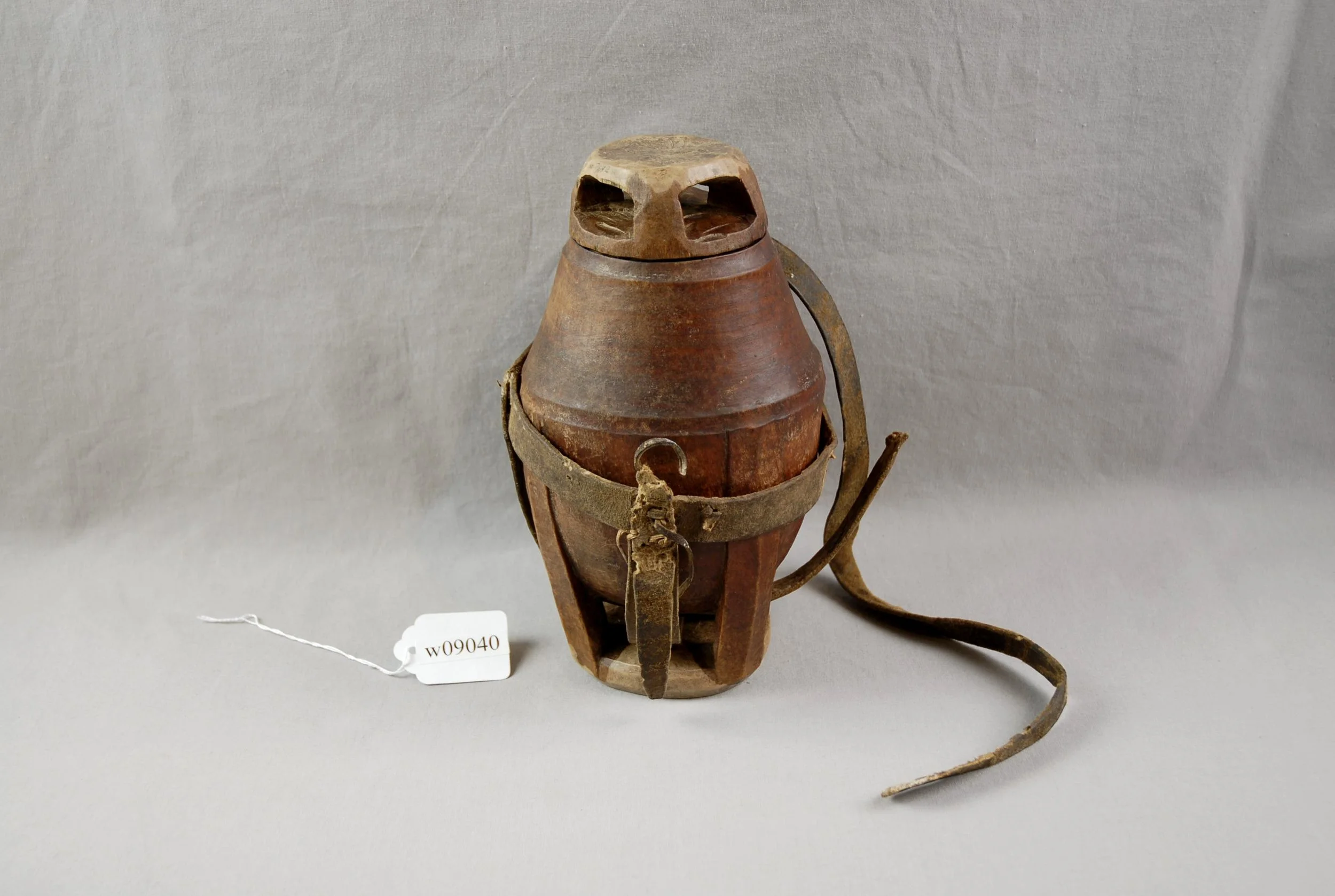
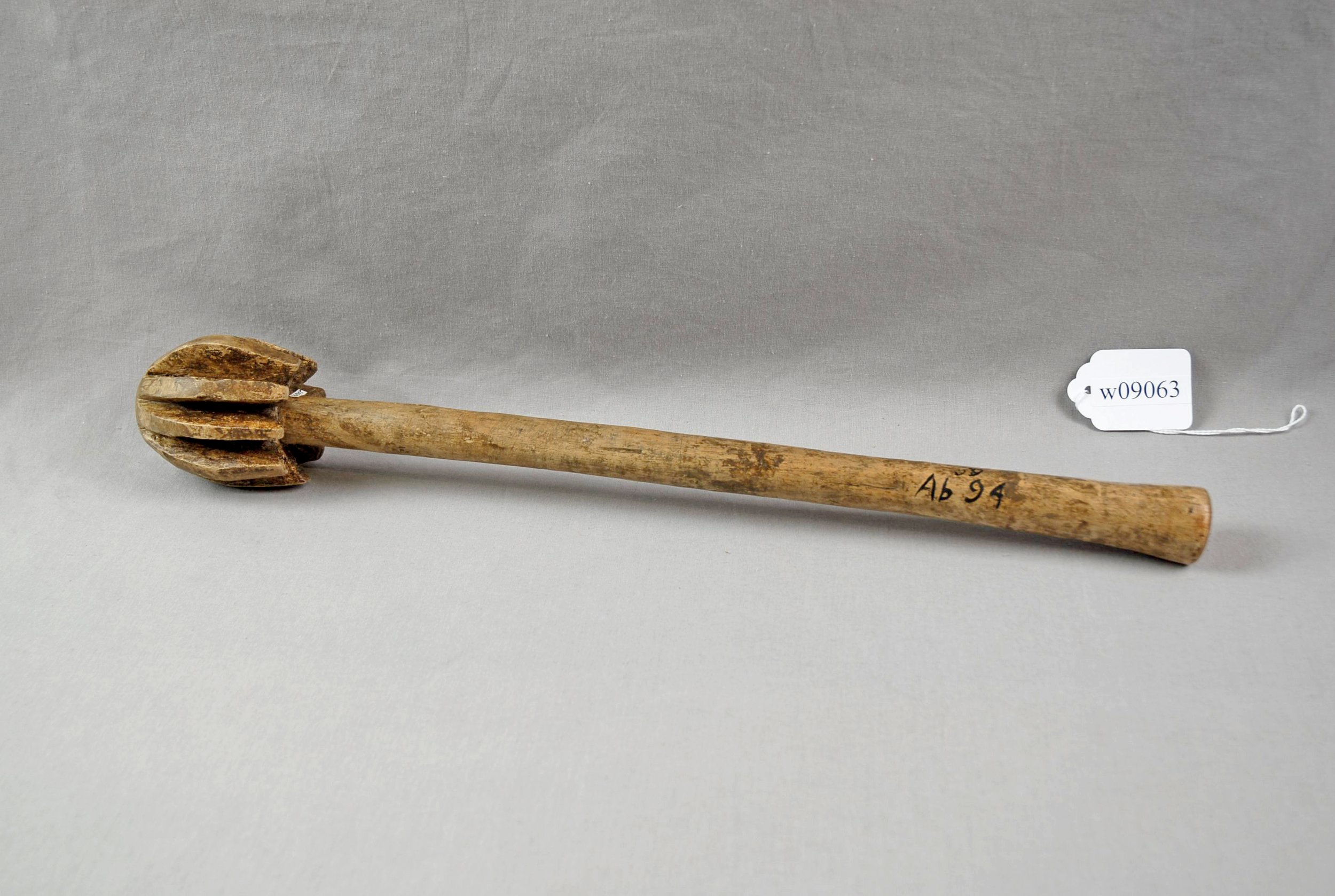
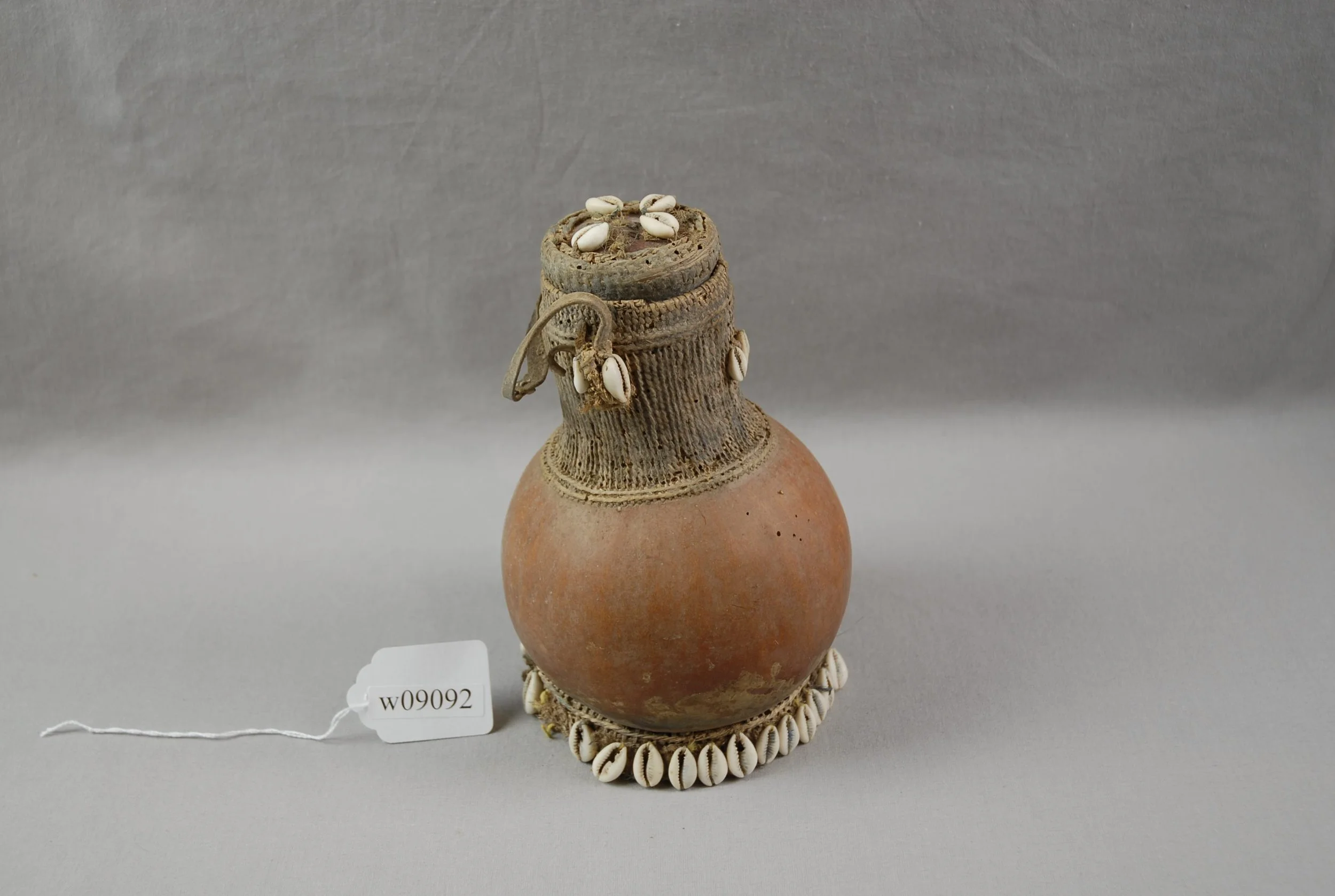
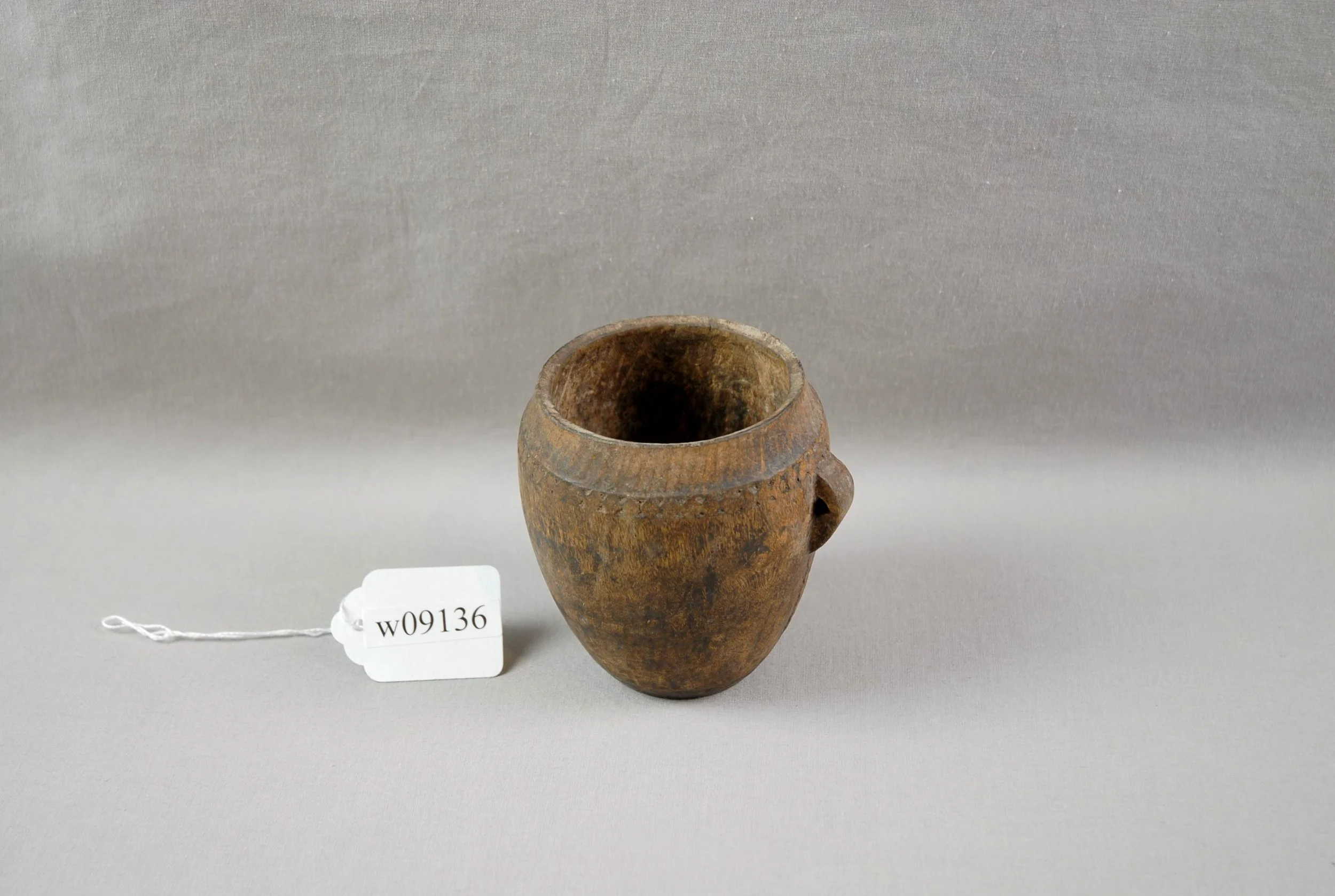
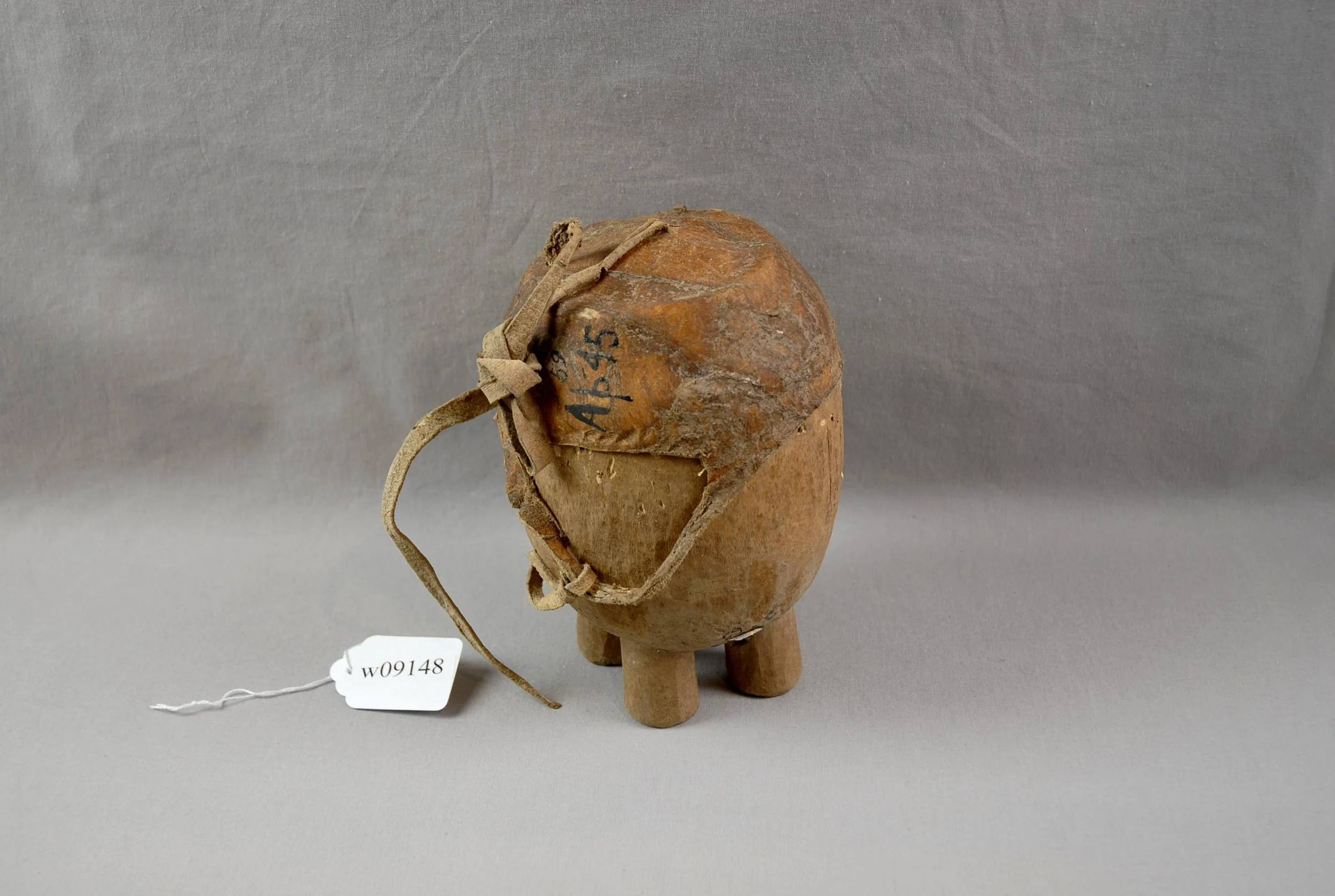
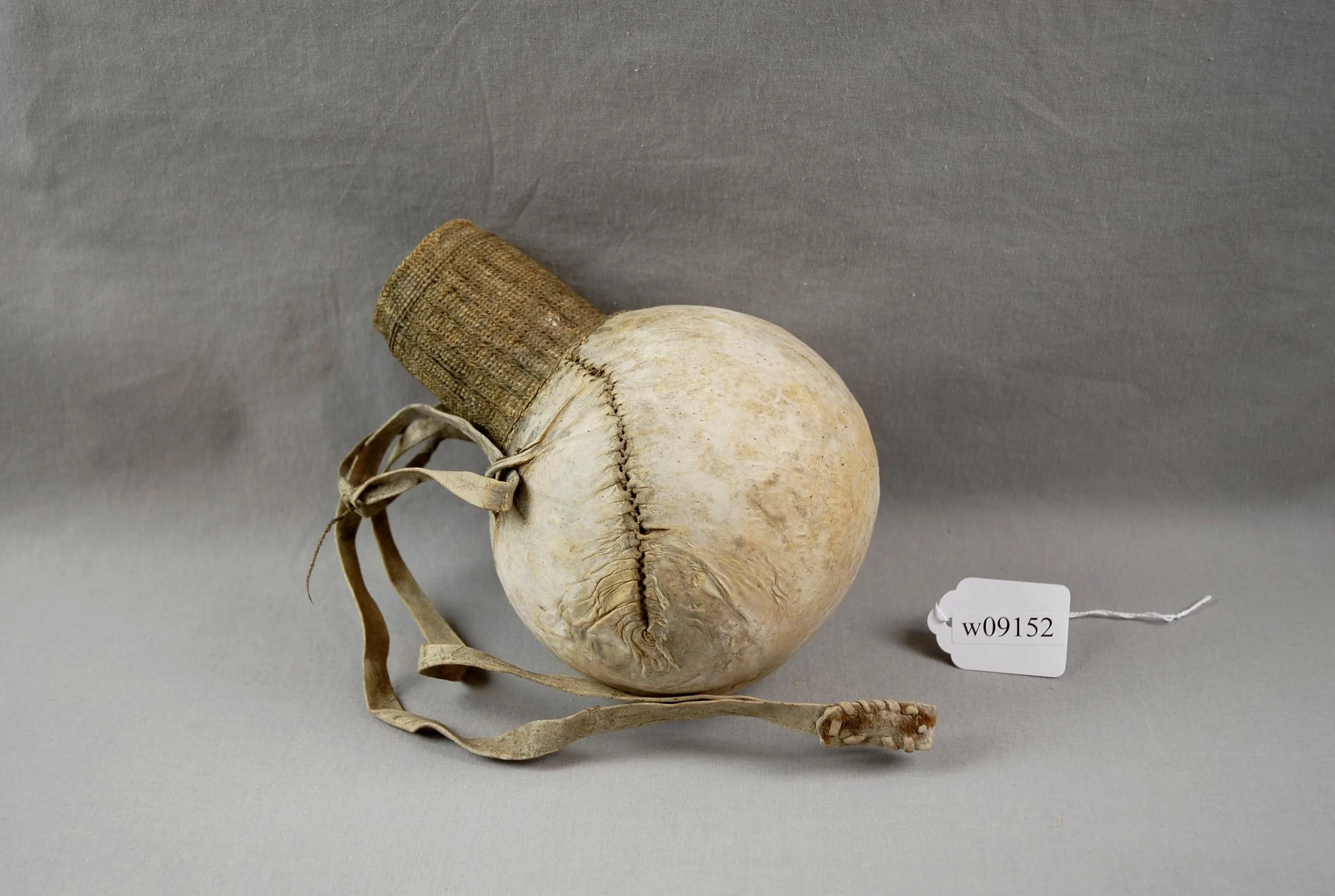
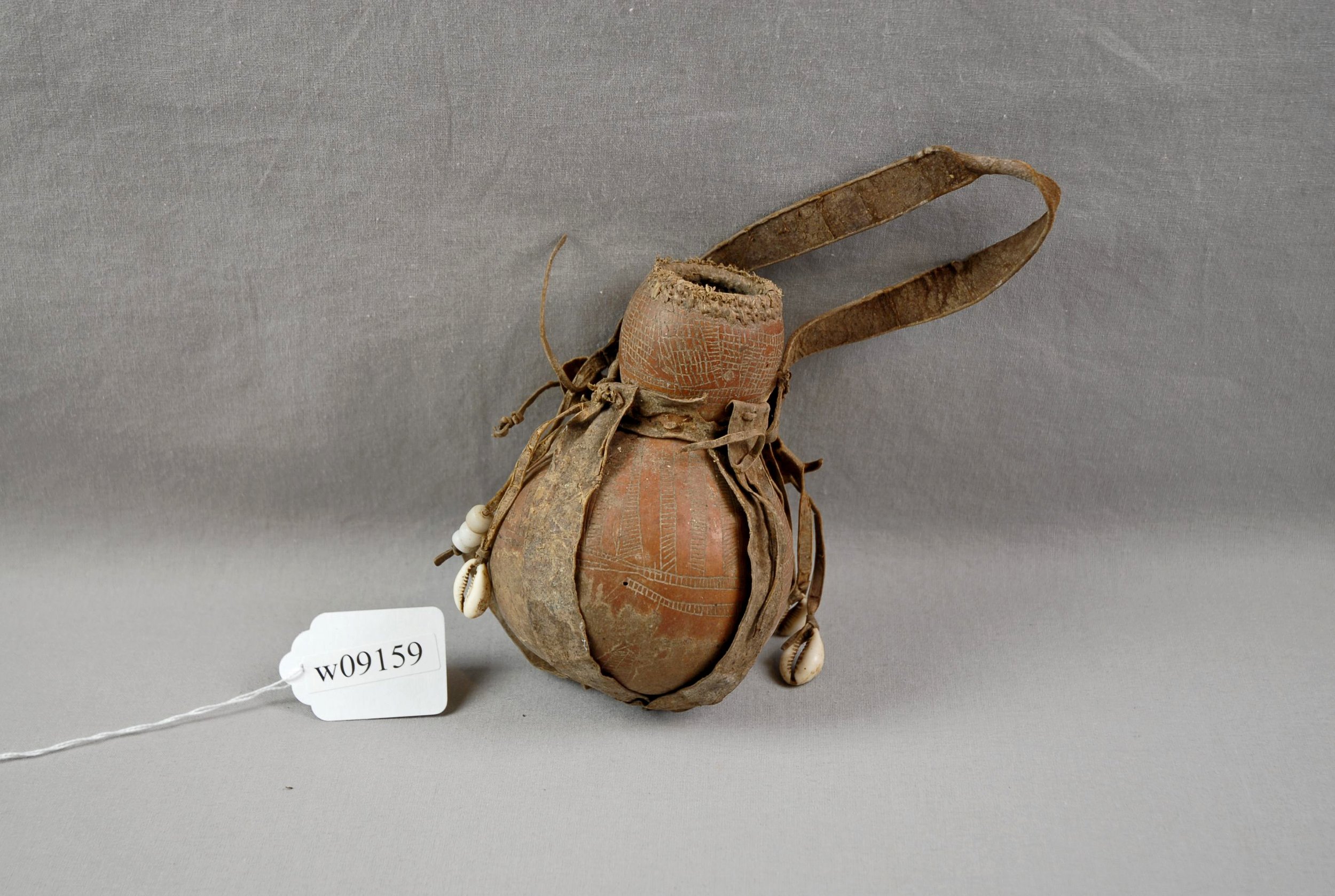

Clarified butter, called niter kibbeh in Amharic or tesmi in Tigrinya (two Ethiopian languages), is one of the most important food products in Ethiopia. 40% of Ethiopia’s rural milk production is converted to butter, with 80% used as a food ingredient. Additional edible dairy products of the region include buttermilk, cottage cheese, and ergo (a type of yogurt). Ethiopia's large country size encompasses more than 80 ethnic groups, with their own diverse and unique cultural practices. Some of these ethnic groups with histories of pastoralism can digest dairy much more easily than others who had different historic food traditions, and therefore it is difficult to offer a representative figure of lactase persistence compared to countries with fewer ethnic groups. This applies similarly to countries like the United States, Canada, and Australia, where First Nations communities have very low lactase persistence compared to much higher persistence in European settlers.
We can find more dairy-related items in the collections that were used locally, including butter churns, molds, paddles, and shapers as well as milk containers (see below). They were used by white settlers in Castine and the surrounding areas rather than the Indigenous peoples of the area. The traditional inhabitants and stewards of what is now known as Castine, the Penobscot Nation, is not known to have had a dairy culture prior to colonization. But they weren't missing out on the nutritional benefits that milk and butter could provide; nut butters and milks helped support caloric needs in many Nations' diverse diets. Other nut "dairy" products include the Cherokee Nation's kanuchi, a soup made from boiled hickory nuts. Algonquin nations made a fermented hickory or pecan beverage called pawcohiccora. In the Algonquin language family, pecans, walnuts, and hickory nuts were all referred to as pakani (nuts too hard to crack by hand) from which we get the English word pecan.
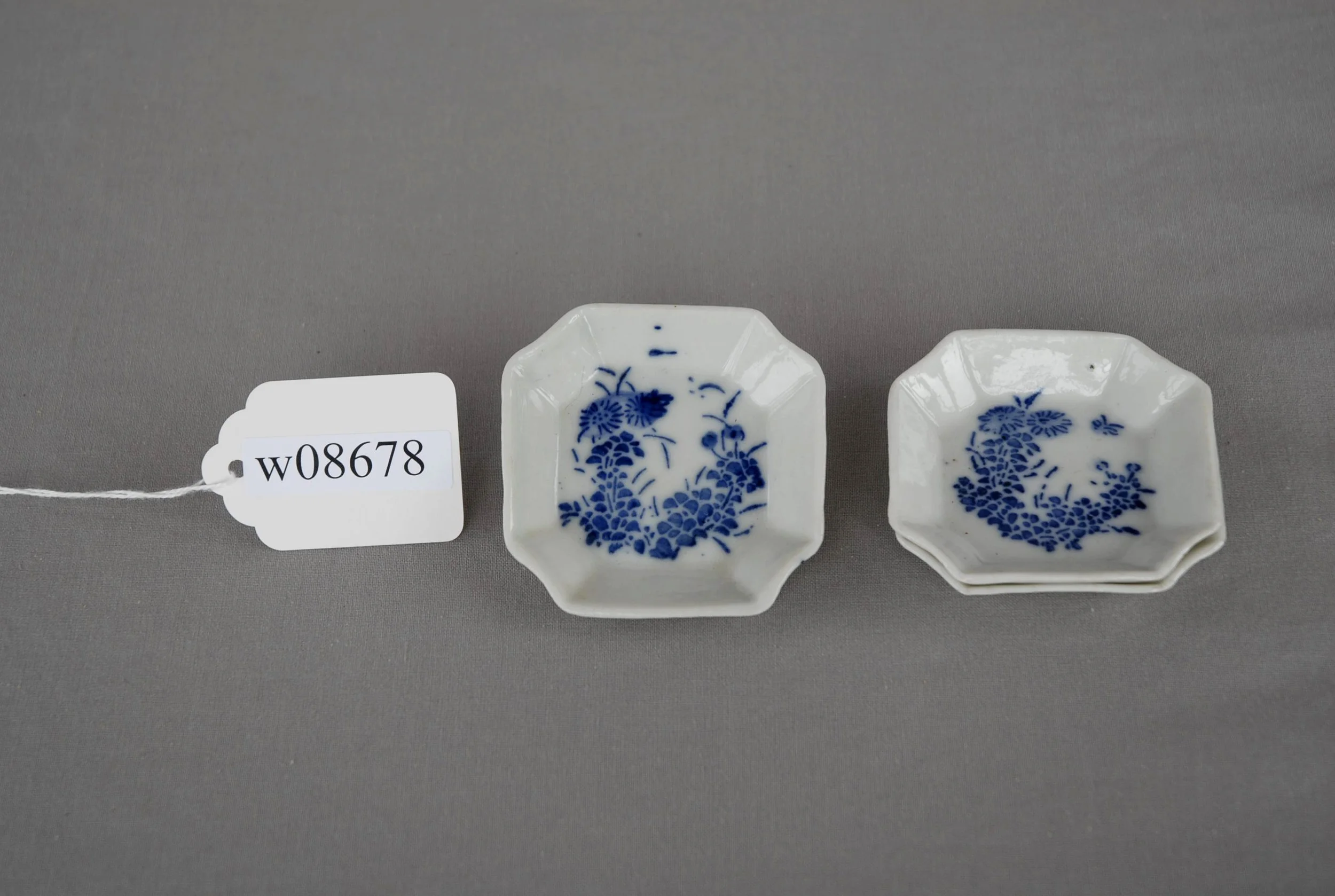

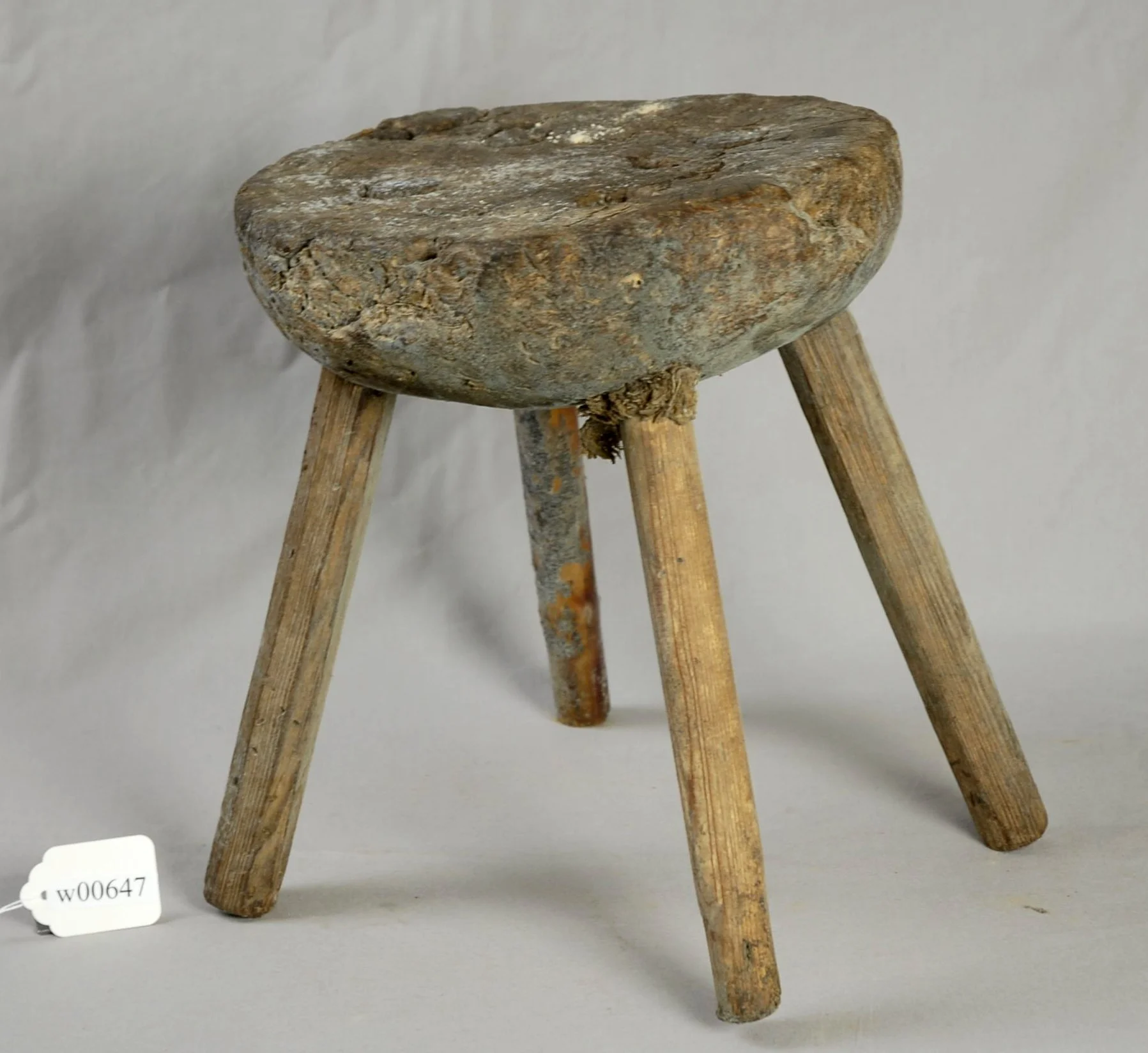
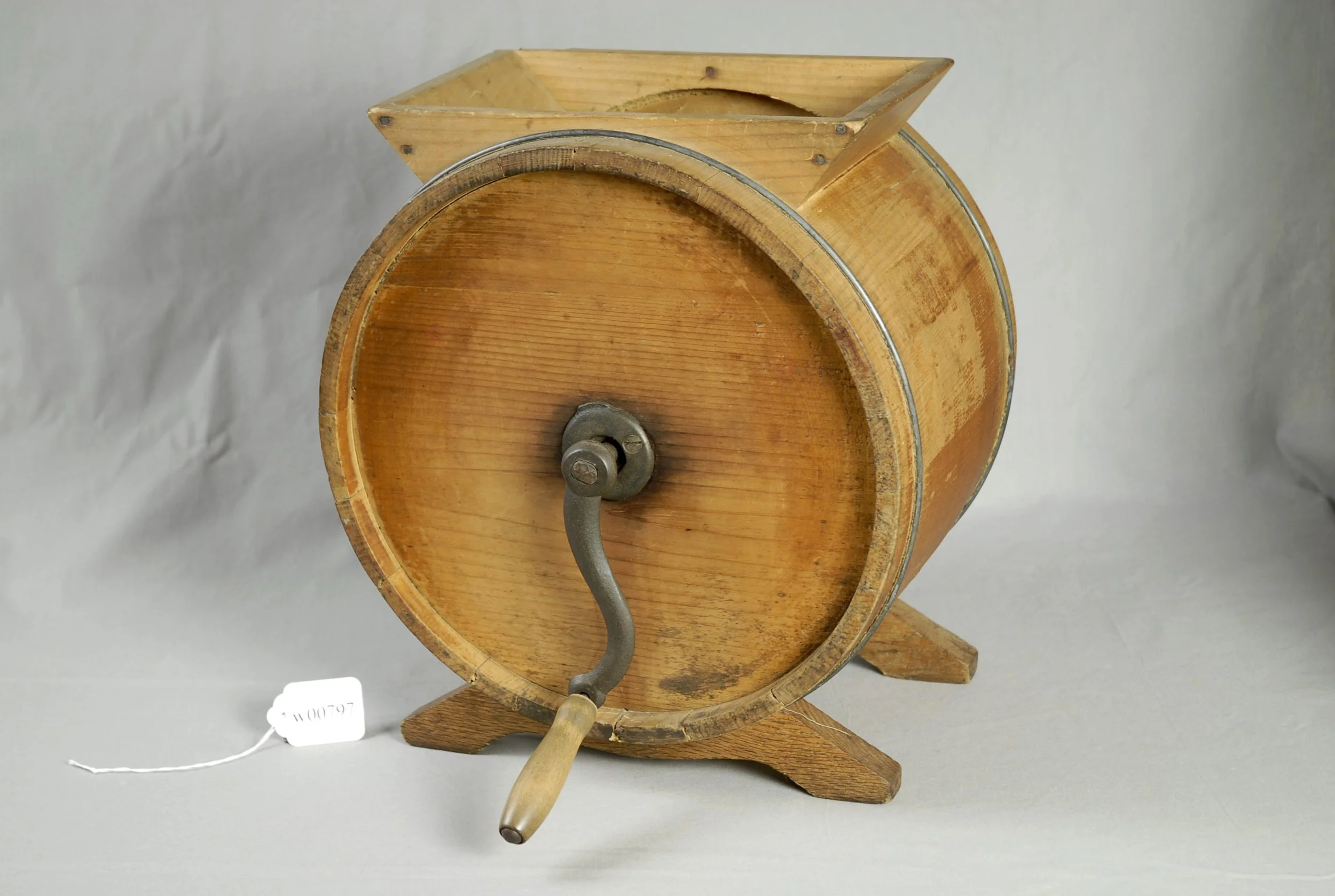


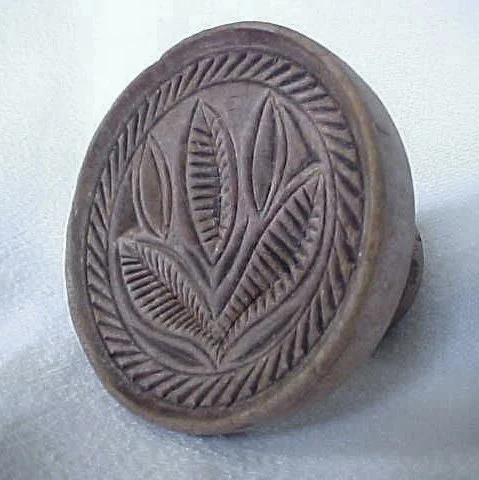
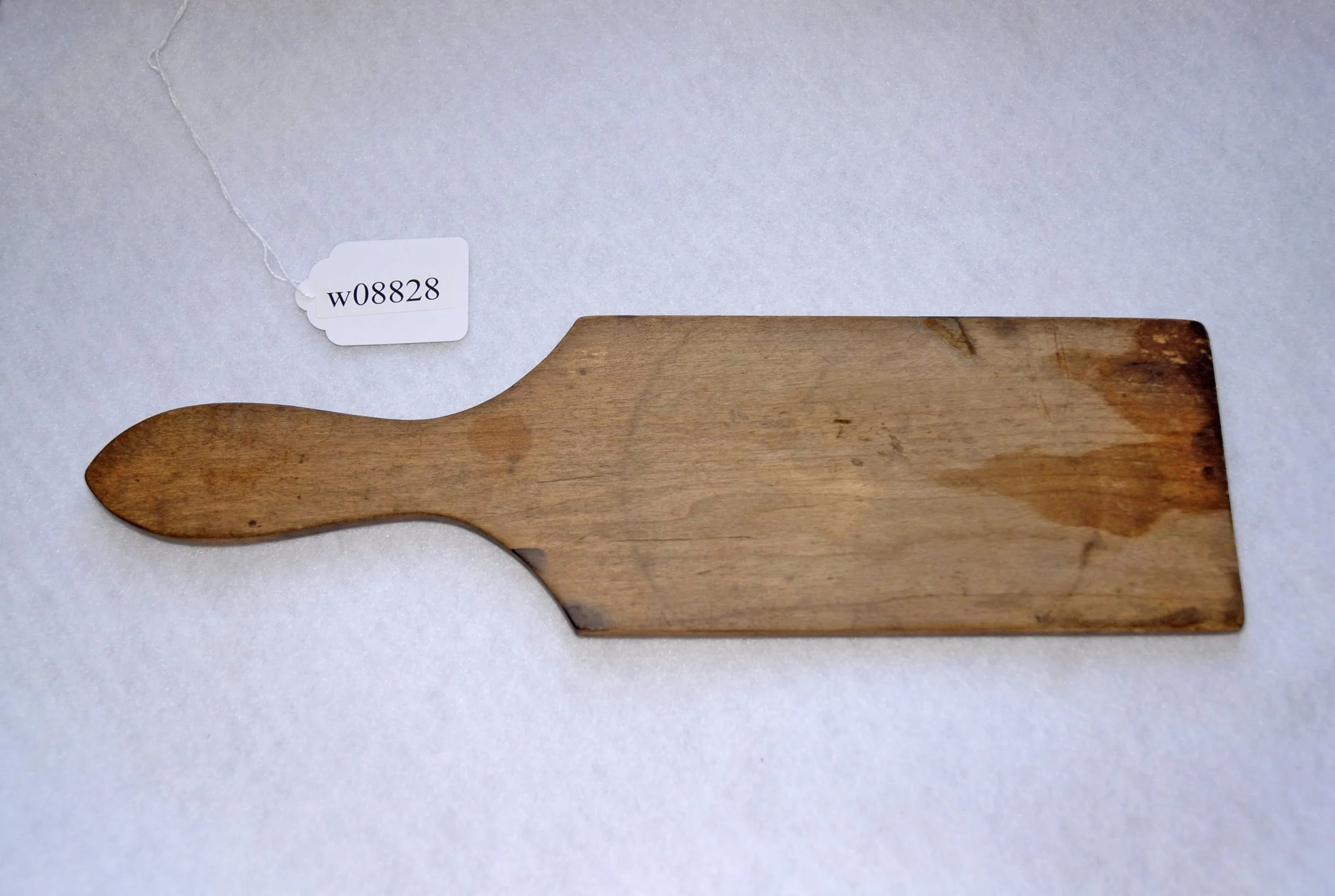
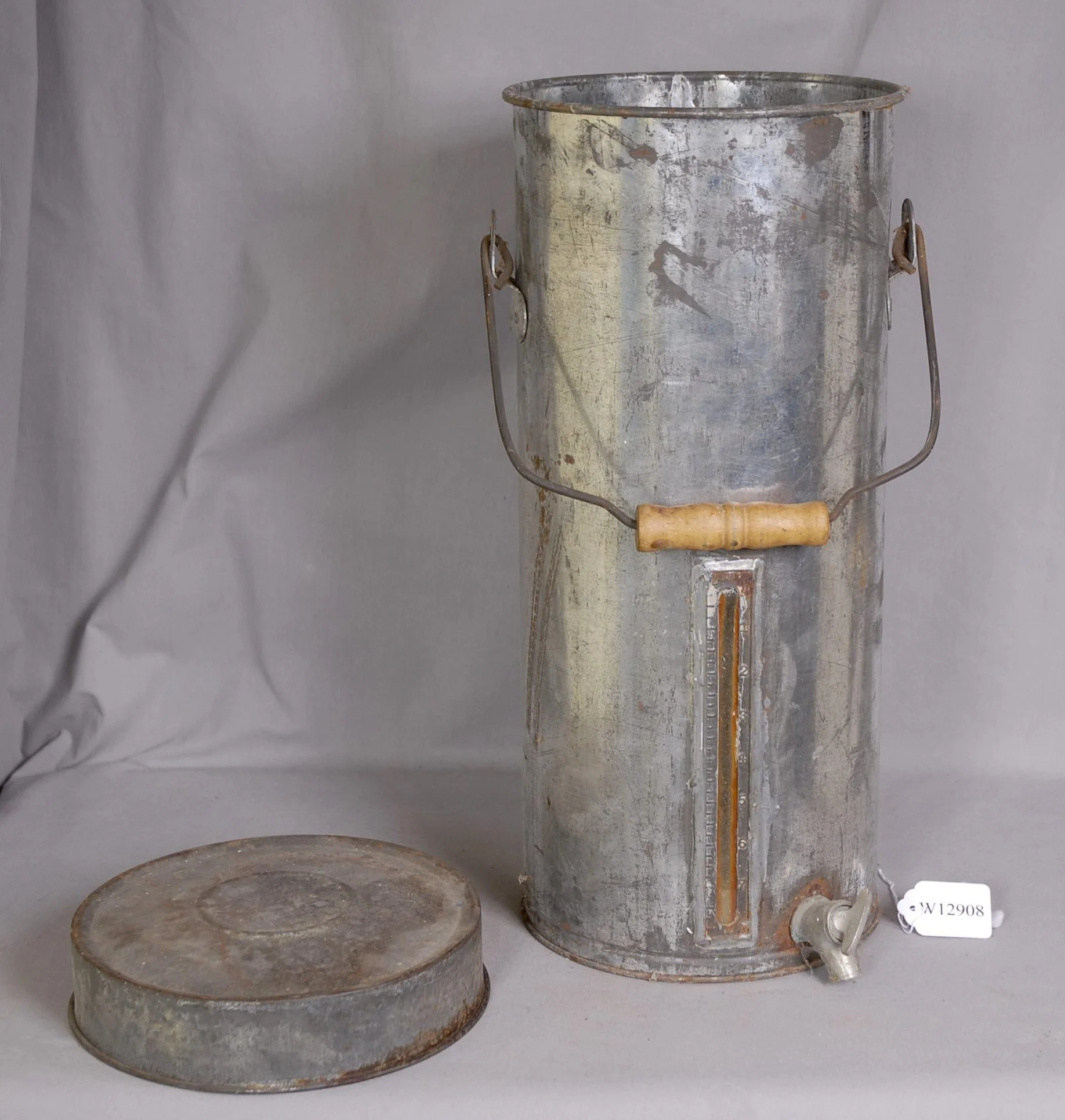
The white settlers in Castine may have used nut milks and butters in times of hunger, but in general much preferred dairy products. Used to domesticated mammals back in Europe, they relied heavily on imported dairy cows for milk and its byproducts. But these products would spoil quickly at a time without refrigeration. What would these settlers do to keep their milk from going bad on a warm summer day? One of the most reliable methods was fermentation. Traditional butter was fermented from cream; yogurt, buttermilk, cheese, and curds could additionally be made as a way to process raw milk into a longer-lasting foodstuff. Fermentation also can be used to break down the lactase enzyme for easier processing—cheese and yogurt may be less hard on the stomach than pure milk for those sensitive to lactose.
Do you have dairy cultures in your family? How might they have been influenced by the cultures of your ancestors?
To explore these topics further, please consider the below resources:
Amenu, Kebede, and Kasech Amdihun. n.d. “Traditional Milk Processing in Borana Pastoral Area, Southern Ethiopia: Practices, Food Safety, Nutrition, and Future Pathways.” Food Science and Nutrition Cases. https://doi.org/10.1079/fsncases.2025.0025
B, Abebe, Zelalem Y, Mitiku E, and MK Yousuf. “The Ethiopian Dairy Sector with Focus on Traditional Butter: A Review.” African Journal of Food, Agriculture, Nutrition, and Development 20, no. 1 (2020): 15267–86. https://doi.org/10.18697/ajfand.89.17460.
Duguma, B. (2022). Milk composition, traditional processing, marketing, and consumption among smallholder dairy farmers in selected towns of Jimma Zone, Oromia Regional State, Ethiopia. Food Science & Nutrition, 10, 2879–2895. https://doi.org/10.1002/fsn3.2884
Harvard Health. 2026. “Lactose Intolerance.” March 20, 2026. https://www.health.harvard.edu/digestive-health/lactose-intolerance-a-to-z
Kamila, Avery Yale. 2020. “Vegan Kitchen: Americans Have Been Enjoying Nut Milk and Nut Butter for at Least 4 Centuries.” The Portland Press Herald, November 8, 2020. https://www.pressherald.com/2020/11/08/vegan-kitchen-americans-have-been-enjoying-nut-milk-and-nut-butter-for-at-least-4-centuries/
“The Making of the Fittest: Got Lactase? The Co-evolution of Genes and Culture.” 2011. HHMI BioInteractive. March 8, 2011. https://www.biointeractive.org/classroom-resources/making-fittest-got-lactase-co-evolution-genes-and-culture
Ogliore, Talia. 2020. “Milk Pioneers: East African Herders Consumed Milk 5,000 Years Ago.” The Source. April 15, 2020. https://source.washu.edu/2020/04/milk-pioneers-east-african-herders-consumed-milk-5000-years-ago/
O’Grady, Cathleen. 2022. “Ancient Europeans farmed dairy—but couldn’t digest milk.” Science 377 (6605). https://www.science.org/doi/epdf/10.1126/science.ade1300
Velten, Hannah. Milk : A Global History. 1st ed. London: Reaktion Books, 2010.