
Bittersweet Histories: Sugar and Castine's Triangle Trade
By Lin Haggerty, MA Student, Public History and Museum Studies at UW-Milwaukee and 2026 Wilson Museum Patricia L. Hutchins Endowed Intern
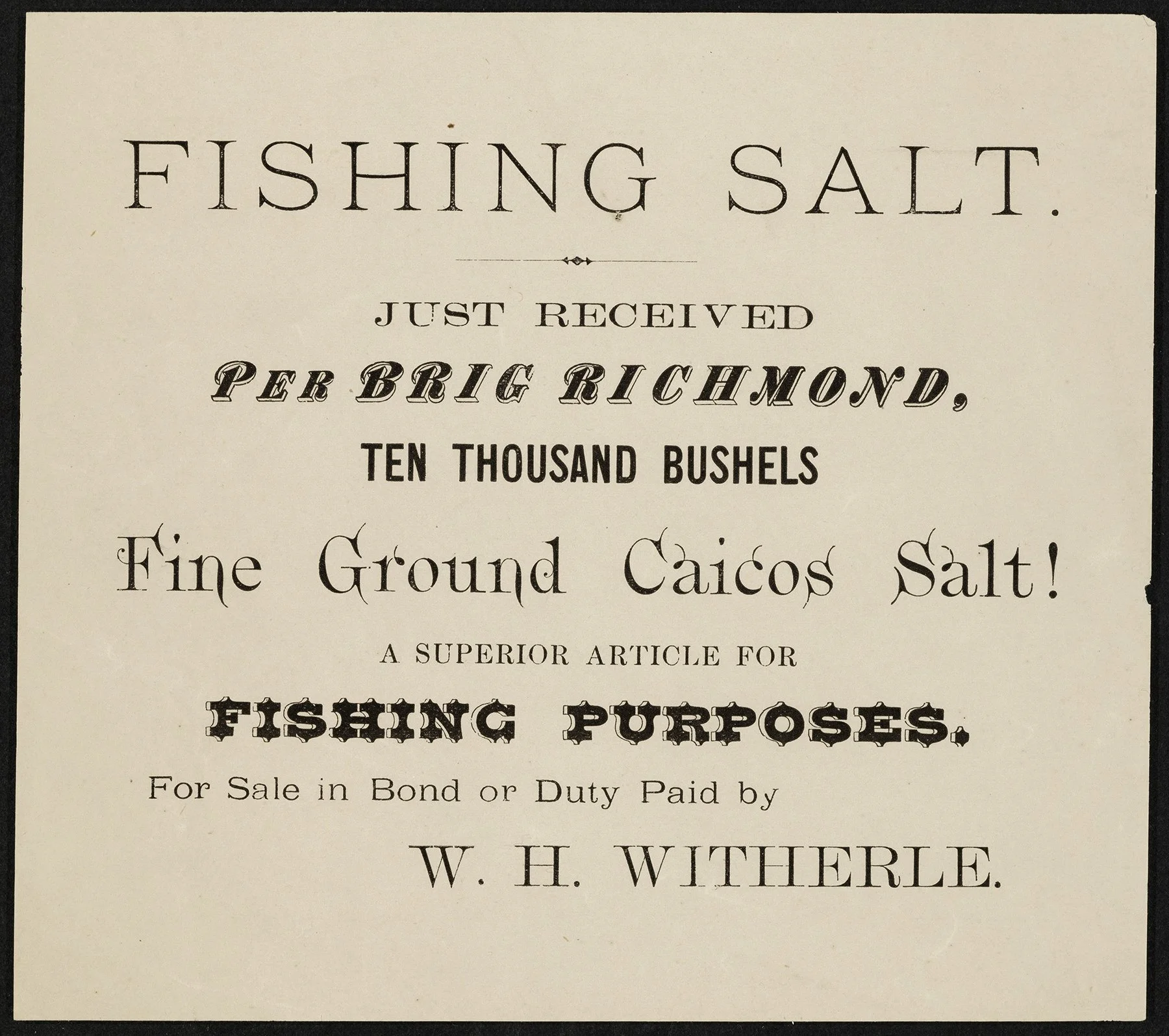
Salt Advertisement
Courtesy of Castine Historical Society.
Castine, Maine is a small seaside town populated by vacationers in the summer and dedicated Mainers year-round. However, its primary economy hasn’t always relied on summer visitors. In Castine’s “glory years” (1840-1865), much of its wealth was built off a trading pattern fully complicit in the enslavement of Africans and African Americans. The legacy of this trade not only affects the known history of Castine but impacts many erased and unprotected histories of African and African American Mainers. Through the lens of sugar, we can trace the ripples of its impact.
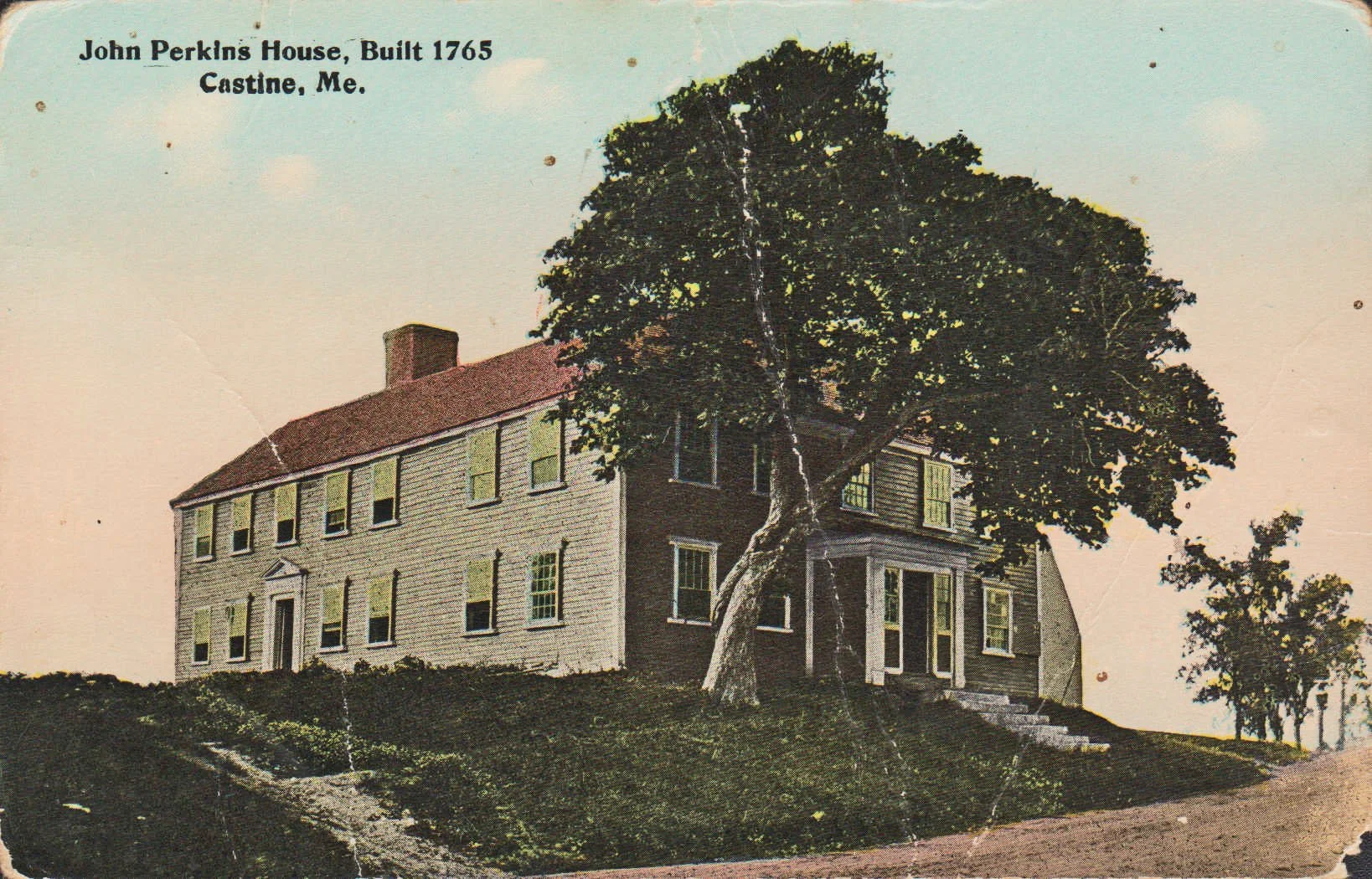
The John & Phebe Perkins House at its original location on Court Street.
Castine’s historical ship building and seafood exportation economies relied on considerable amounts of salt for curing fish, mainly cod. This salted fish was almost exclusively shipped to southern ports to feed enslaved people. While at these ports, the ships would load up on cotton, sugar, molasses, and other goods produced by enslaved labor, and bring them to Western Europe. There they would sell some or all the goods and purchase large quantities of salt, sailing back to Castine to start again. This triangle trade was only possible due to the forced labor of enslaved Africans and African Americans. The inclusion of sugar and molasses in the trade meant that the sweet tooth of colonists was directly supplied by enslaved labor. This includes people like John and Phebe Perkins, the couple who built the Perkins House that now resides on the Wilson Museum’s property.
From the 16-19th centuries, millions of Africans were enslaved and transported to the Americas to work in sugarcane, the biggest colonial crop prior to cotton. Every part of the work was brutal. Men, women, and children working in the fields were forced to dig, plant, fertilize, and cut cane in the hot sun from dawn to dusk. The cane would be brought to the plantation refinery to be processed into sugar, rum, and molasses. While this work offered some protection from the sun, the processes used to produce these products were dangerously hot and often risked debilitating injury to laborers. If any dared to speak up about the inhumane conditions, or were deemed to be working too slowly, they were violently punished by white overseers.
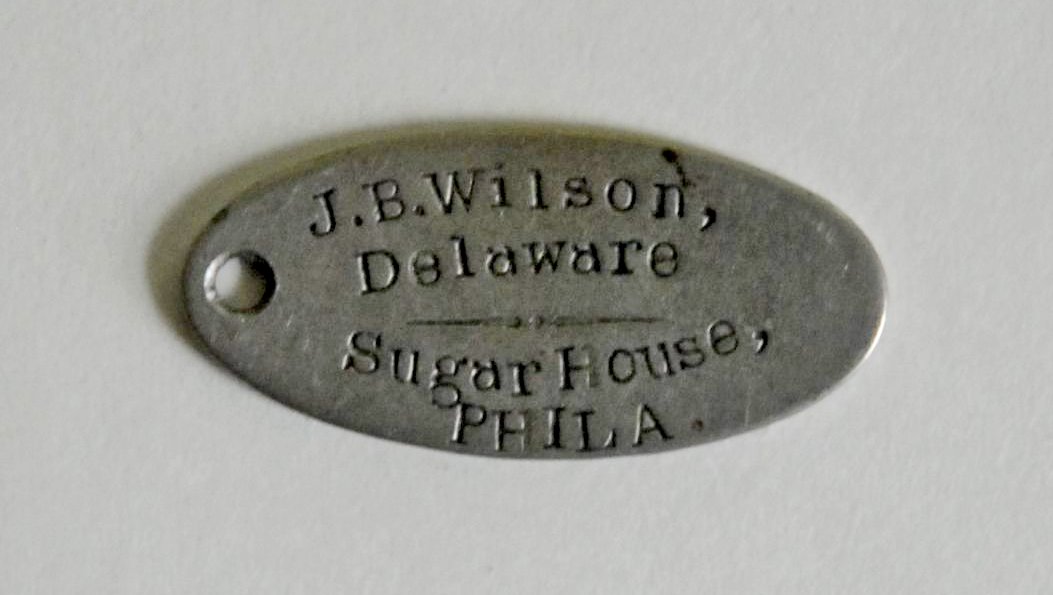
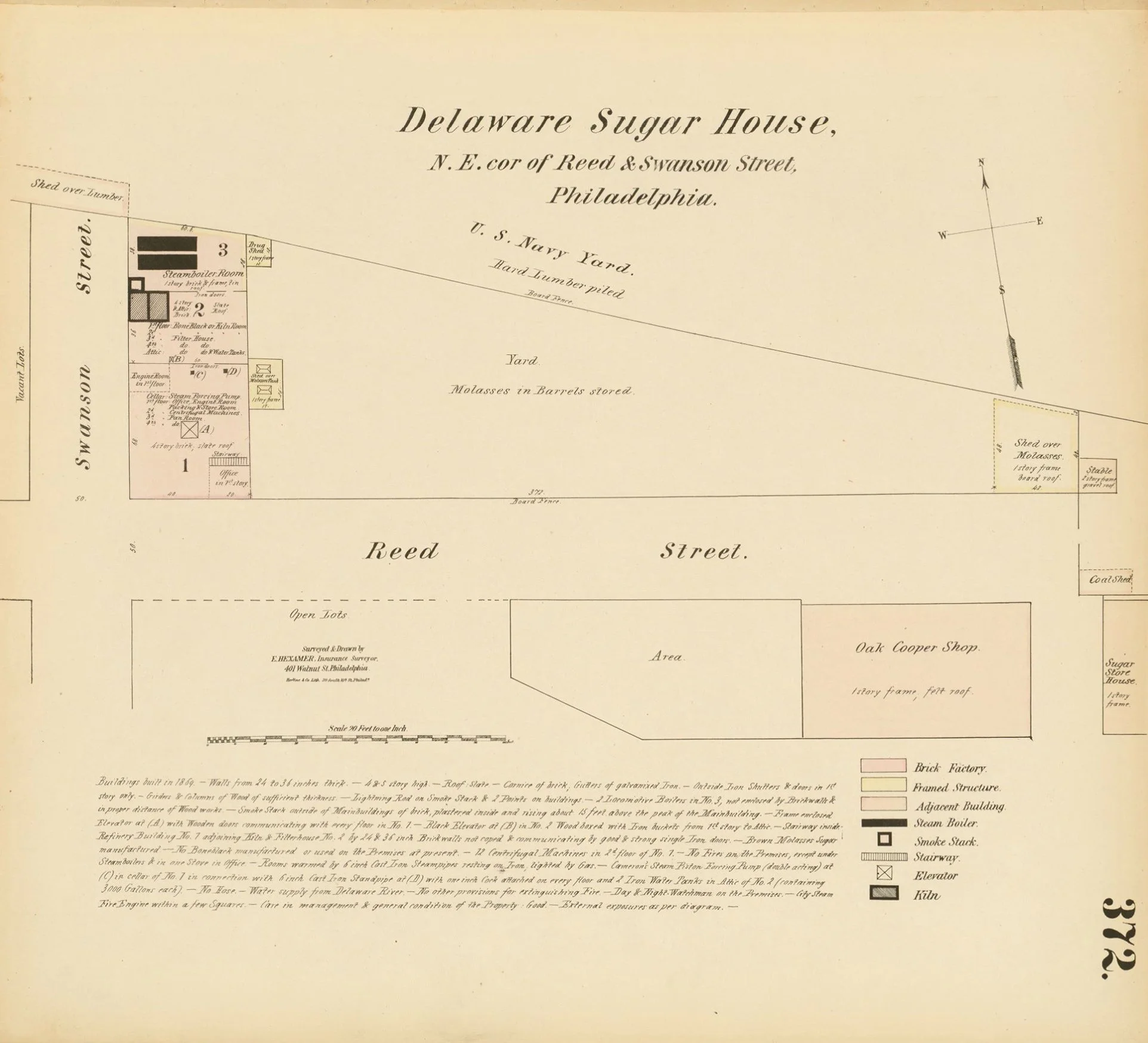
It is important to acknowledge that the Wilson Museum would not exist without the sugar trade. J Howard Wilson, who founded the museum in 1921, was able to pursue academics, collect items, and summer in Castine because of his family's wealth, rooted in southern sugar production. His mother’s family owned a sugar plantation and refinery in Cuba, and his father’s family owned a sugar plantation and refinery in New Orleans. His father also managed the Delaware Sugar House for a time.
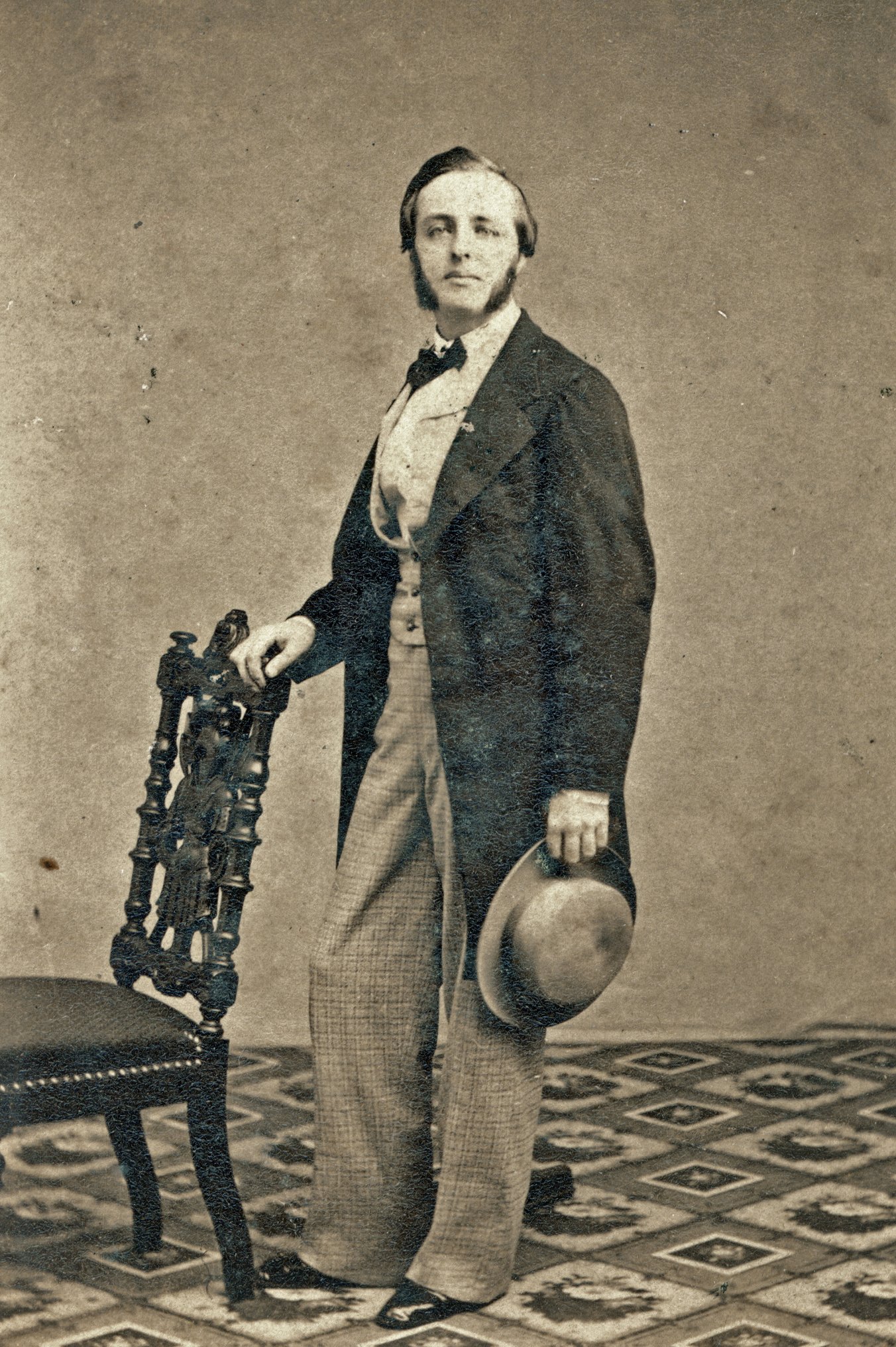
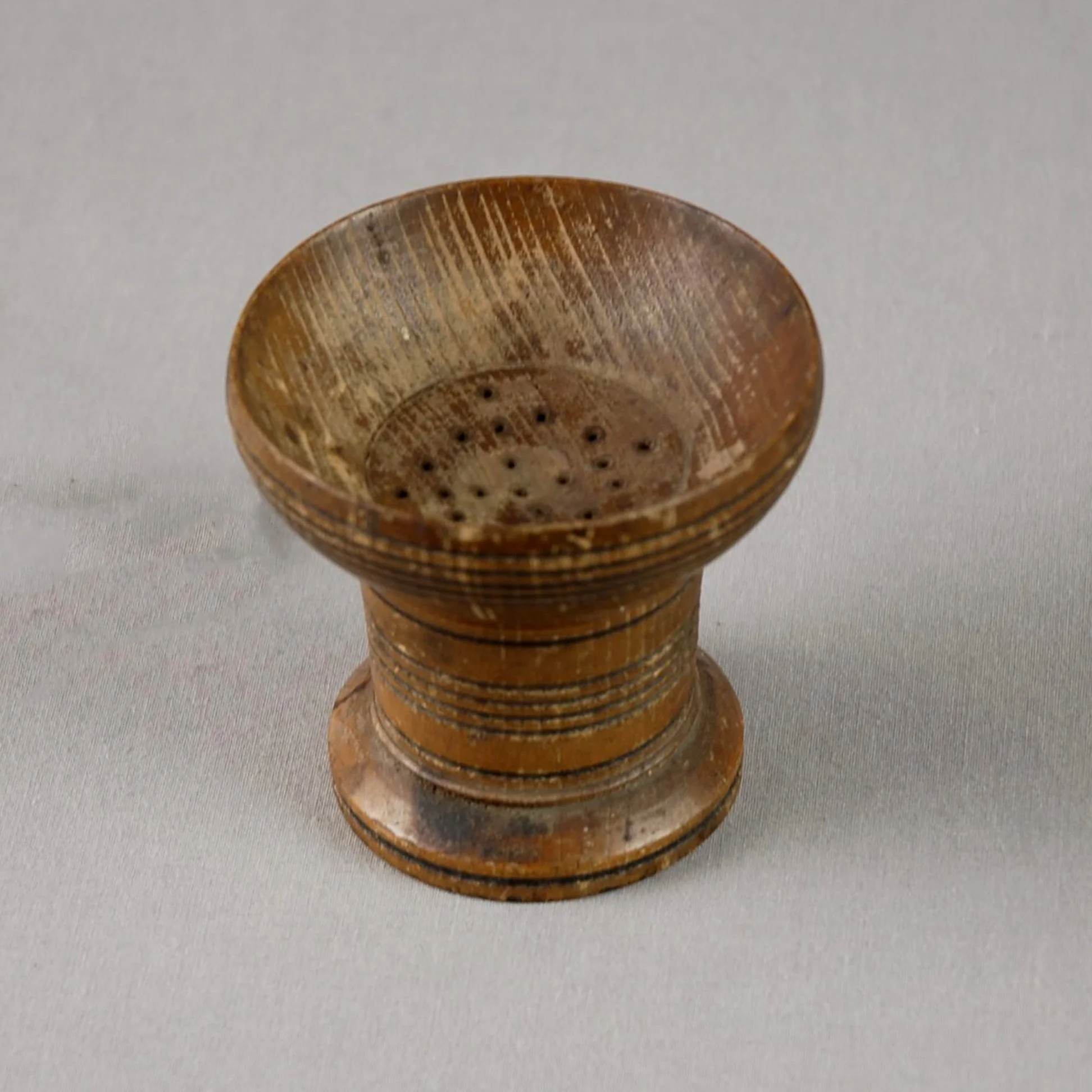
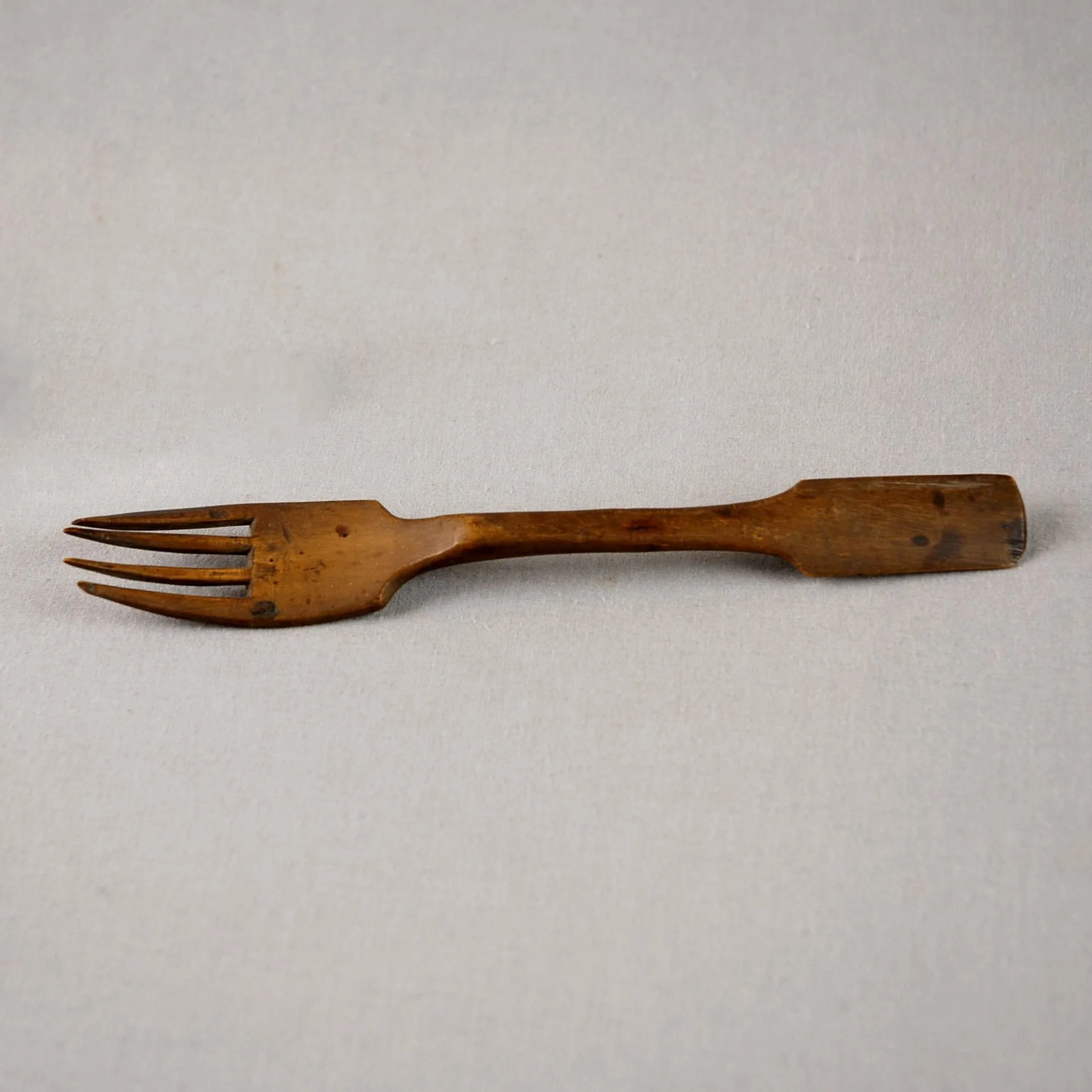
At the Wilson Museum, we can begin to reckon with these histories by looking at what is both present and missing from our collections. In addition to various sugar bowls, molasses containers, and other luxury wares purchased through this trading income, we also find two items salvaged from an enslaver ship. This pounce box and wooden fork were reportedly found in the wall of the captain’s cabin when an unnamed ship was dismantled. Pounce boxes contain a powder that is used to help absorb writing ink, and it likely sat on the captain's desk as he recorded information about the human trafficking he helped facilitate. The fork helped him eat food of far better quality than anything available to the enslaved Africans below deck, whose food was typically scarce and rotten.
Absent from our collections is anything relating to the human beings enslaved and transported on those ships, those forced into labor in the southern ports fed by Castine salt cod or relating to any free or enslaved African and African Americans in Castine. The few items that we know to still exist are in the Castine Historical Society’s collections, which have helped Wilson Museum researchers paint a fuller picture of this community.
By 1840, nearly 1% of the Castine population was Black or biracial (3x the contemporary Maine average). Some of these community members were formerly enslaved like Andrew Walker (though still living in situations not all that different from enslavement); others had freed themselves from enslavement while others were born free. One Castine man, John Jackson, had been kidnapped from West Africa as a child and transported to Brazil to work in sugarcane fields. After liberating himself and stowing away on a boat to New York, John worked on various ships and eventually settled in Castine where he married Catharine Boyce, a locally born free Black woman. They had nine children, but only their youngest, Mary, survived into adulthood. When John died in 1864, he bequeathed the land he owned to Mary, and his obituary included one of the earliest known first-person narratives of the Middle Passage and enslavement.
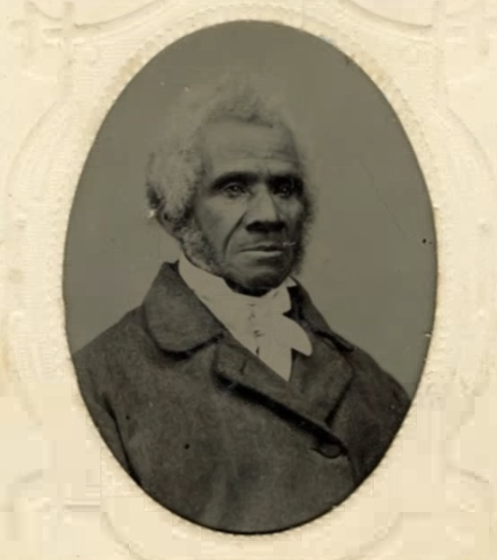
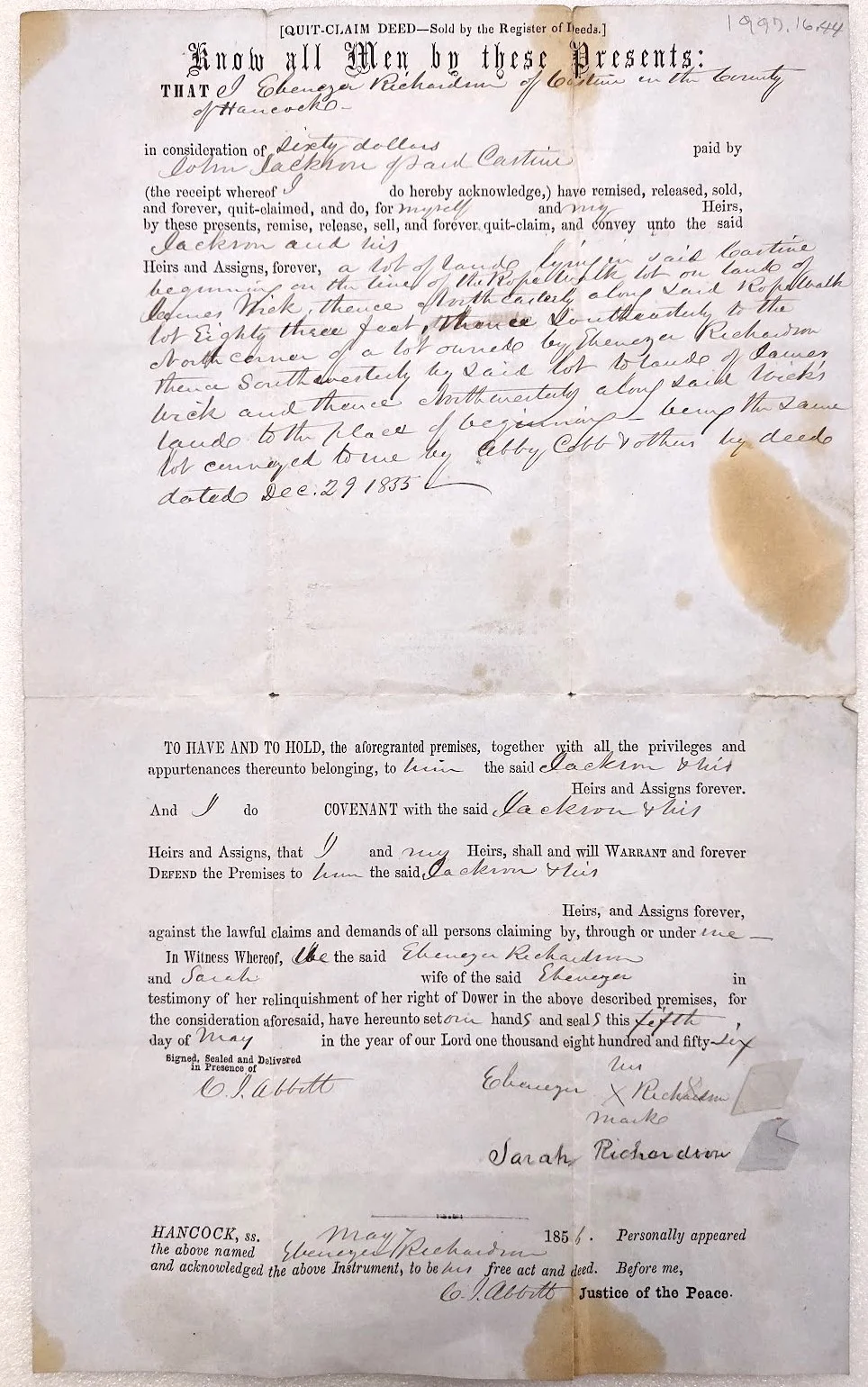
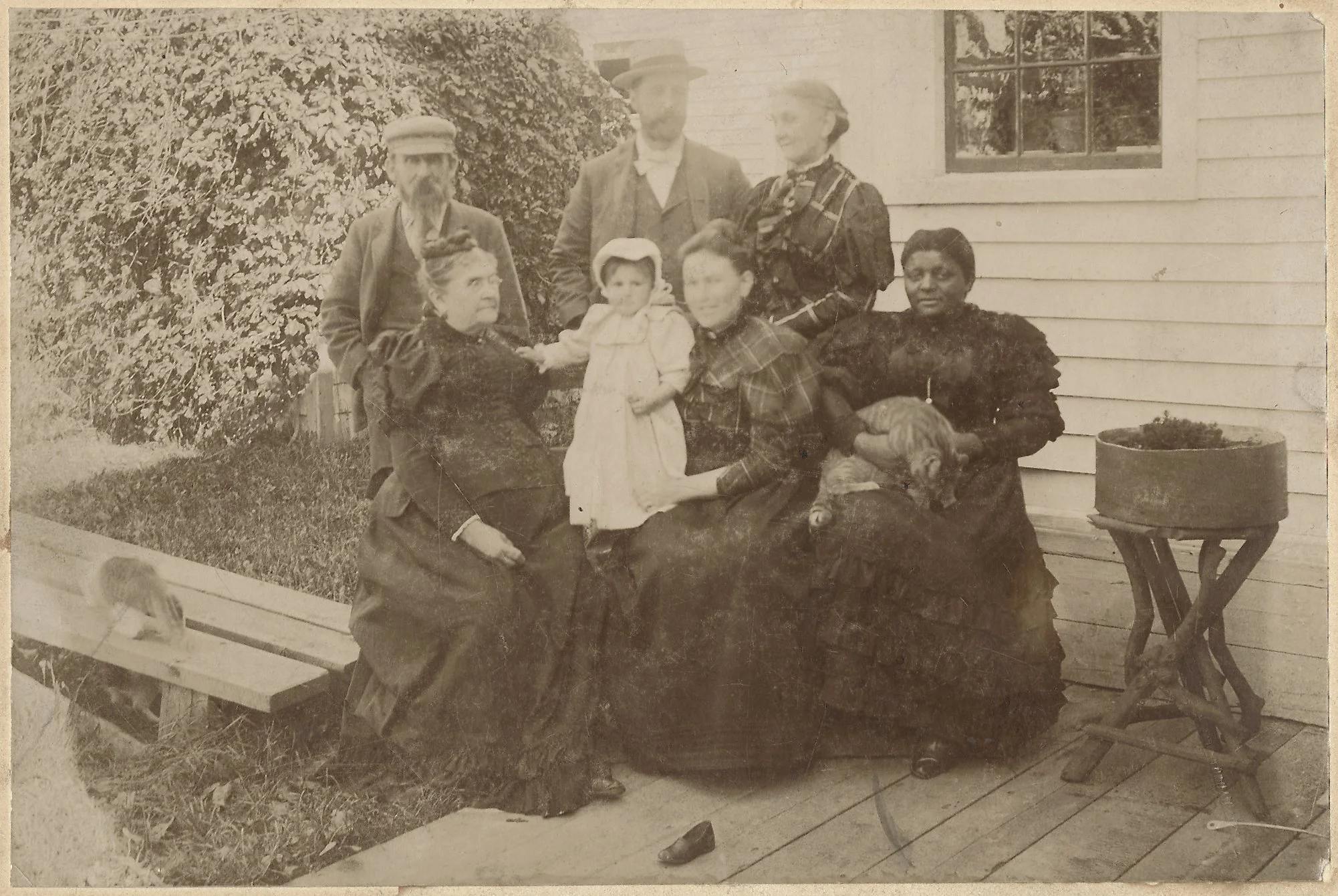
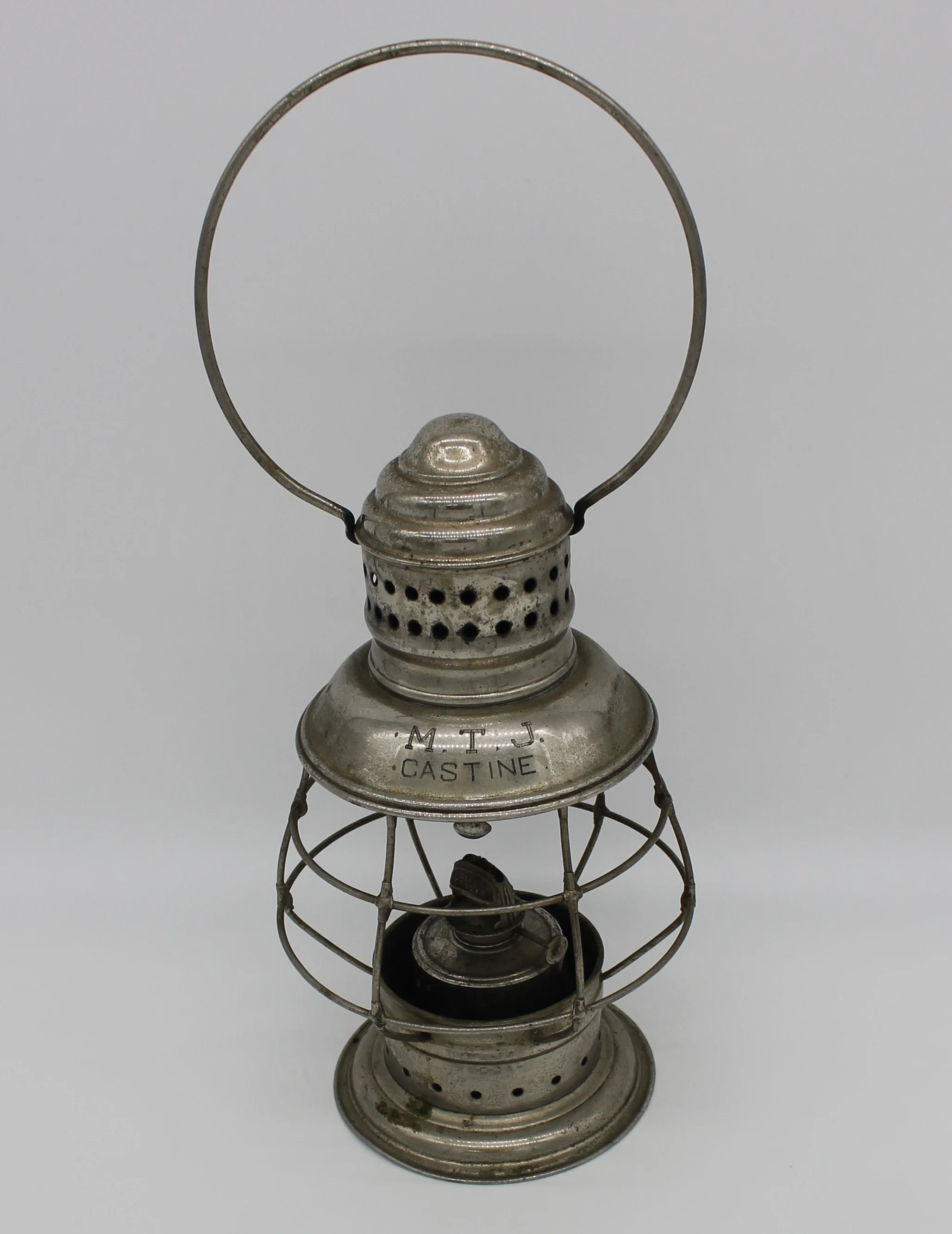
Mary Jackson was orphaned at 14, after her siblings and parents died in rapid succession. She was employed by a local white family with whom she lived until her death in 1917. A few of Mary’s belongings were passed down through her employer’s family and now reside at the Castine Historical Society. What wasn’t passed down in physical form was passed down in memory, through the recollections of one of the employer’s family members. Unfortunately, most of these memories have to do with Mary’s service to the family rather than her own life experiences. Mary was known for her baking, even having baked the "sumptuous" wedding cake for an important wedding of her employer’s family. How might Mary have felt, producing delicious desserts for her employers while understanding the brutal exploitation fueled by their tastes? Did she know of her own father’s experiences in the cane?
Brutally exploitative labor conditions continue to exist today for many sugarcane workers in the Americas and beyond. Haitian migrants in the Dominican Republic face conditions not unlike enslavement or sharecropping, many forced into this work due to the lack of opportunities at home. This is another contemporary reality shaped by sugar.
Saint-Domingue (now called Haiti) was the most profitable of all French colonies. Its sugarcane industry not only made the individual plantation owners wealthy but created enough capital to fundamentally alter the world's economic systems. New levels of wealth and comfort were attained by white Americans and Europeans, only possible due to their perversely inhumane treatment of enslaved Africans. After the Haitian Revolution in 1804, the first Black Republic was both isolated diplomatically and required (under threat of war) to pay reparations to French enslavers. Over 122 years, $20-30 billion in today's money was siphoned from Haiti and paid to enslavers and their descendants. The land that yielded the greatest wealth for the French was stripped of anything of value before it could benefit Haitian society. This was a particular sting considering Haitian labor was what made Saint-Domingue's success possible.
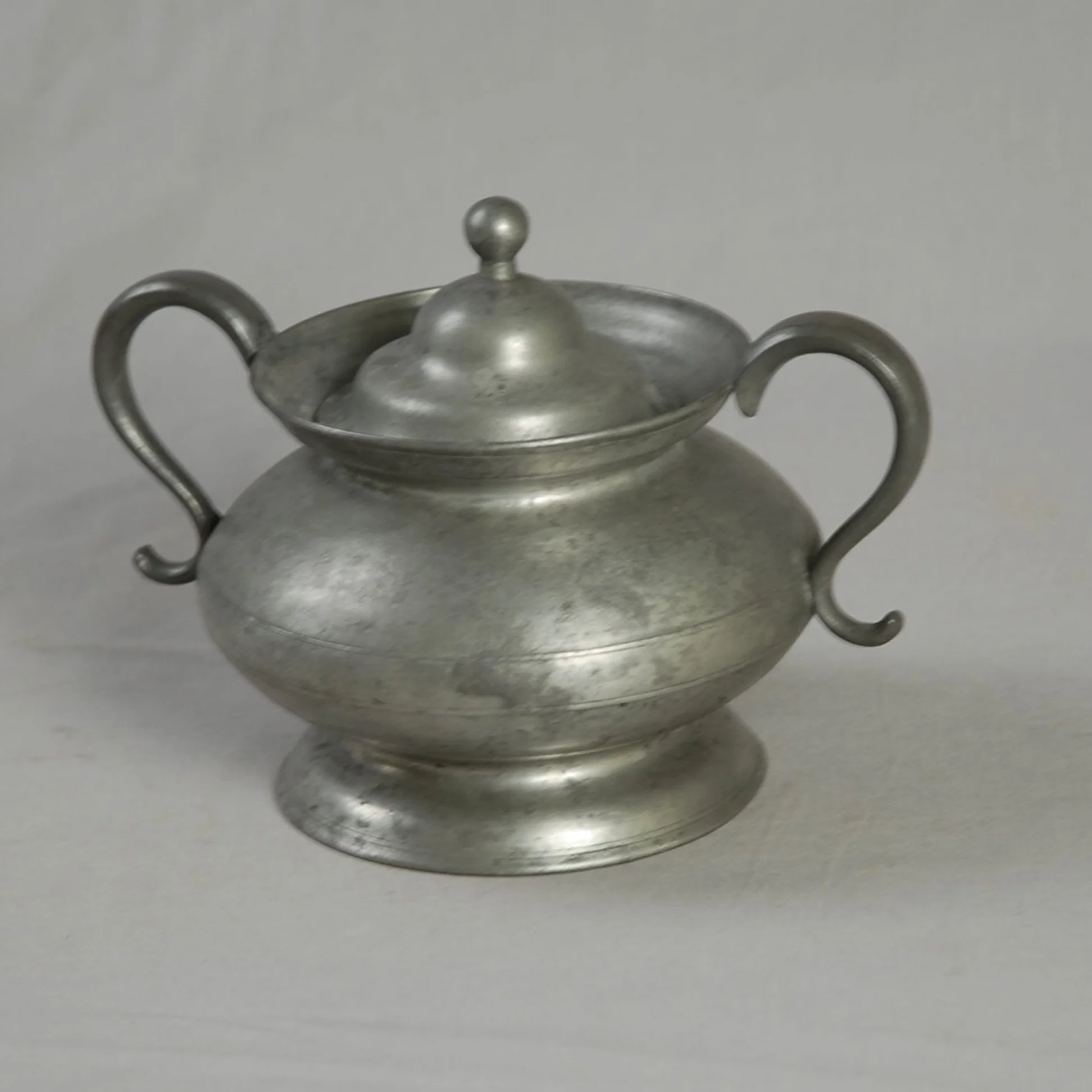
Sugar Bowl
From the family of Georgia Johnson Wilson, ca. 1840
Sugar, once seen as a luxury product, has systematically been commodified into a pantry staple for households worldwide. Many do not know of or recognize its violence and the impacts it continues to have on many communities today.
To learn more about the topics discussed in this blog post, please consider the resources below.
Ames, Richard M. 2019. Risky Business: A Maine Village Goes Global. Thomaston, ME: Custom Museum Publishing.
Bolster, W. Jeffrey. 1997. Black Jacks: African American Seamen in the Age of Sail. Cambridge, MA: Harvard University Press.
Bosma, Ulbe. The World of Sugar: How the Sweet Stuff Transformed Our Politics, Health, and Environment over 2,000 Years. Cambridge, Massachusetts: The Belknap Press of Harvard University Press, 2023.
Castine Historical Society. 2022. “Slavery and African Americans in Early Castine.” Atlantic Black Box. February 13, 2022. atlanticblackbox.com/2021/04/23/slavery-and-african-americans-in-early-castine
Hornsby, Stephen. 2021. “Cotton’s Ocean: Castine and the Antebellum Cotton Trade.” Vimeo. September 24, 2021. vimeo.com/614132991
Martínez, Samuel. “From Hidden Hand to Heavy Hand: Sugar, the State, and Migrant Labor in Haiti and the Dominican Republic.” Latin American Research Review 34, no. 1 (1999): 57–84. http://www.jstor.org/stable/2503926
Muhammad, Khalil Gibran. 2019. “The Barbaric History of Sugar in America.” New York Times. August 14, 2019. https://www.nytimes.com/interactive/2019/08/14/magazine/sugar-slave-trade-slavery.html
Muhammad, Khalil Gibran 2019. “Before Cotton, Sugar Established American Reliance on Slave Labor.” PBS. August 22, 2019. www.pbs.org/newshour/show/before-cotton-sugar-established-american-reliance-on-slave-labor
Simpson Lutts, Lisa. 2023. “Hidden Legacies: Uncovering Castine’s African American History.” Vimeo. May 19, 2023. vimeo.com/828336436
Zildjian, Georgia. 2023. “The Singular Life of Mary Tyler Jackson.” Vimeo. June 23, 2023. vimeo.com/839072186